When Jurupa Unified School District Literacy Coach Sonya Martinez (Mission Bell Elementary) and Principal Tina Herrera (Ina Arbuckle Elementary) first saw Walk to Read in action, they didn’t know exactly how they would make it work at their own schools.
But they saw something that caught their attention: students receiving instruction at their skill level, multiple educators working together to meet students’ needs, and a system that made differentiated instruction possible across an entire school.
They both came away thinking the same thing: “We can do this.”
Today, Martinez and Herrera describe Walk to Read as one of the most successful changes they’ve made to literacy instruction. Their experience offers practical lessons for school leaders considering the model.
To hear more about how these two California leaders implemented a Walk to Read model using resources obtained from CA LCRS funding, watch the on-demand webinar.
Start by Seeing It in Action
Neither school began by trying to design Walk to Read from scratch.
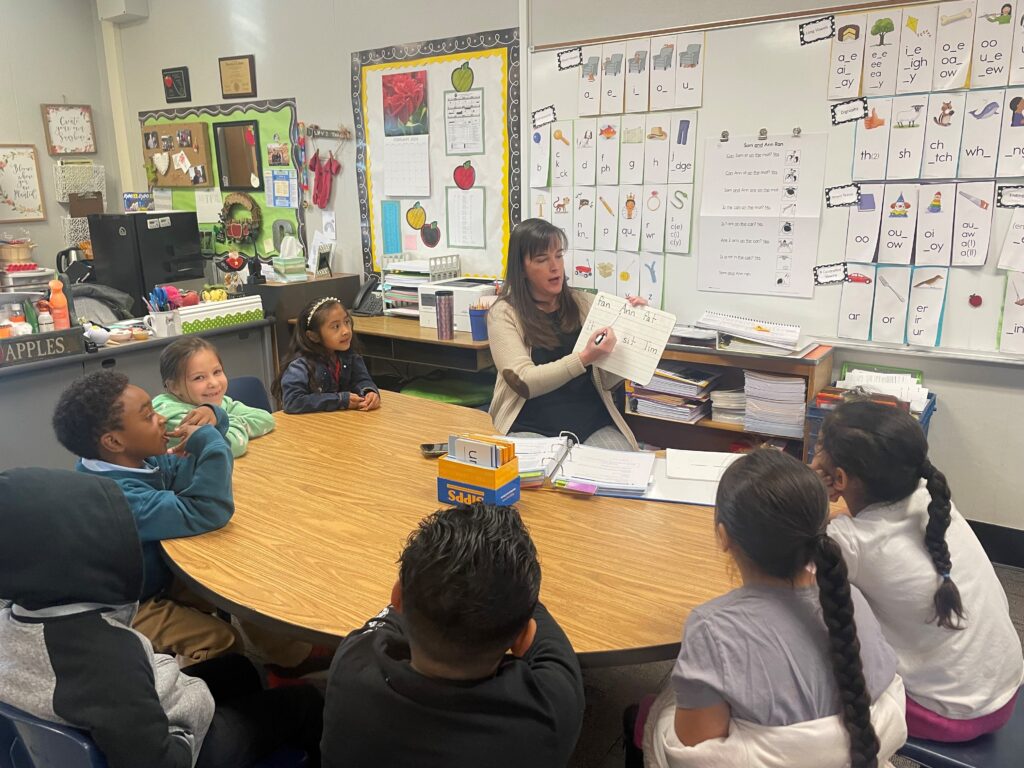
Martinez’s literacy team visited another school in their district that was already using the model. They watched students move between classrooms and saw teachers collaborating to provide instruction based on students’ skill levels.
What stood out was that teachers weren’t each trying to meet every student’s needs alone. Instead, many educators were working together to meet the needs of all students.
Herrera’s team visited that school as well as another elementary school using Walk to Read. Seeing the model work in different settings helped her team realize that it could work at their school, too.
“If they’re doing it and they’re doing it, we can do it,” Herrera recalled.
For schools considering a significant change in how literacy instruction is organized, seeing the model in practice can help turn an idea into something they can envision in their own building.
Protect the Time
Once the schools decided to move forward, they quickly learned that the schedule was foundational to the model.
At Mission Bell, Martinez’s team established a dedicated Walk to Read block, with transitions built directly into the schedule. There were no assemblies or extra activities scheduled during that time.
And the schedule was non-negotiable.
If a teacher was absent, Walk to Read still happened. The teacher’s substitute plans included the group and lesson.
Eventually, Mission Bell incorporated Walk to Read into its larger master schedule.
Herrera found the same thing at Ina Arbuckle: once the schedule was established, it became part of the school’s routine rather than something teachers had to continually figure out.
The lesson: build the structure first—and protect it.
Listen and Respond to Teacher Concerns
Changing the way teachers organize literacy instruction naturally encountered some resistance.
At Mission Bell, teachers were initially uncomfortable with the idea of students moving between classrooms. Martinez’s team addressed some of that concern by keeping students within grade-level groups rather than immediately asking teachers to work with students from multiple grades.
Teachers also had questions about what they would teach and how the new structure would work. Training, modeling, and coaching helped answer those questions. Once teachers understood that they would have a defined group, a clear instructional plan, and support, the model became much less intimidating.
Let the Data Make the Case
At Ina Arbuckle, Herrera encountered a different concern: teacher autonomy. Teachers were unaccustomed to being confined to teaching a certain subject at a predetermined time. Rather than ignoring that tension, she acknowledged it and used data to help guide conversations.
After the first roughly 10-week cycle—in which teachers were not completely on board with the model—she brought them together to look at student performance. She was candid: resisting elements of the Walk to Read model was hampering student progress. In order for the model to yield success, there needed to be total buy-in.
Then, as subsequent data showed students making more progress, teacher attitudes began to shift. Seeing students succeed, teachers began enthusiastically embracing the model, adjusting groups according to student needs, rotating levels, and taking ownership of the process.
Using data to illustrate student achievement and highlight opportunities for growth helped turn Walk to Read from something teachers were being asked to do into something they believed in and wanted to do.
Make It a Schoolwide Effort
Walk to Read also allowed the schools to make better use of the adults already on campus.
At Mission Bell, bilingual language tutors were trained to lead groups. The school also trained playground supervisors to step in when needed. Because those staff members already knew many of the students, they could build on existing relationships while providing instruction.
Instead of asking one teacher to differentiate for every student in a classroom, the school could bring multiple educators together to create smaller, more targeted groups.
Student Progress Creates Momentum
At Mission Bell, Martinez tracked how many students progressed through their foundational skills instruction or successfully completed their targeted instruction.
In third grade, that number increased from 24 students to 31. In second grade, it increased from 9 to 15. The school also had six first-graders who progressed to the highest level of their foundational skills instruction.
But perhaps the most telling sign of success wasn’t a number.
After seeing significant literacy gains in their students, kindergarten teachers who had initially been hesitant to send their youngest students to other classrooms began asking whether they could start Walk to Read earlier.
Teachers weren’t simply complying with the model, they were asking for more of it.
Advice for Other School Leaders
When asked what advice they would give other schools, both leaders emphasized the importance of consistency and support.
Martinez’s advice was simple: once the schedule is established, stick with it. Walk to Read needs to become part of the school’s regular instructional routine.
Herrera emphasized fidelity and leadership support. Administrators need to understand the model, visit classrooms, observe instruction, and make sure agreed-upon practices are being followed—but those observations should feel supportive, not like a “gotcha.”
Their experiences show that successful implementation doesn’t require having every detail figured out on day one. Instead, it requires a clear structure, a protected schedule, strong instructional support, and a willingness to use data and experience to keep improving.
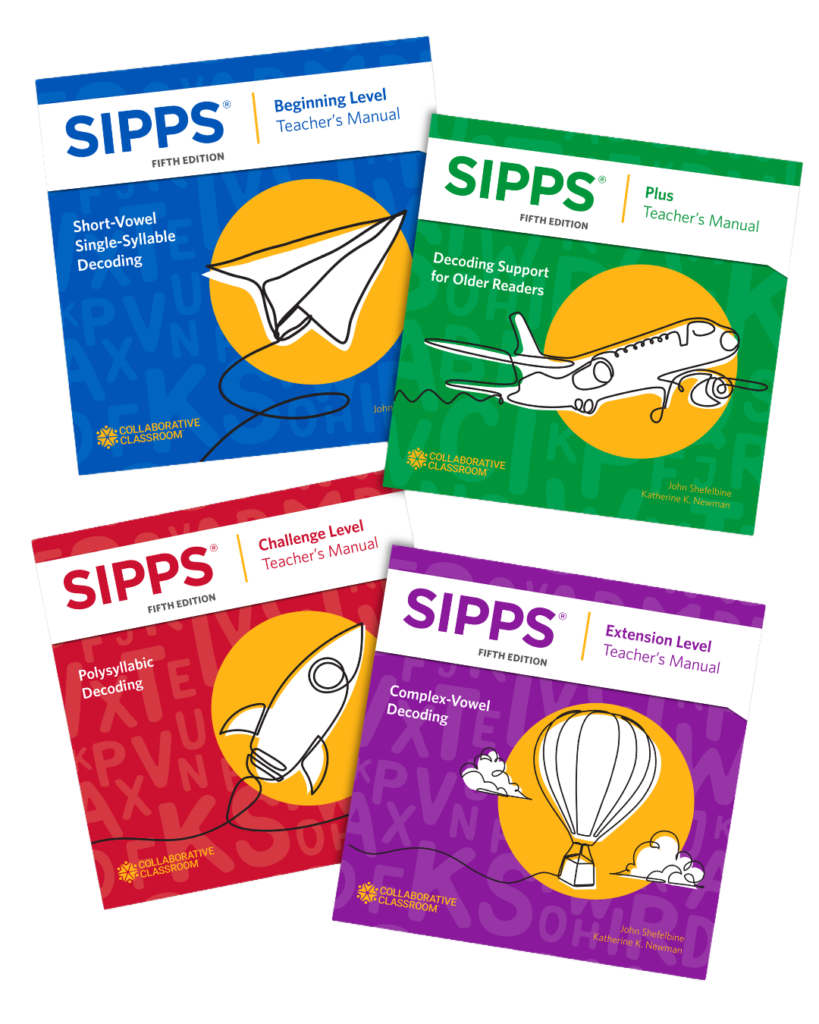
Both Mission Bell and Ina Arbuckle used SIPPS® as part of their approach to foundational skills instruction within Walk to Read. By combining a schoolwide structure for flexible grouping with systematic, targeted instruction, educators could provide students with instruction matched to their specific reading needs.
Ready to implement a Walk to Read model at your school or district? Download this helpful checklist to make sure you are prepared for a successful implementation.