Evidence-Based Reading Curriculum for Grades K–5
Being a Reader™ is the first comprehensive, evidence-based core reading program to intentionally integrate foundational skills, deep comprehension, and rich knowledge-building literacy experiences with daily social skills instruction.
The program equips teachers to create classrooms where all students develop fluent word recognition, build strong comprehension, expand their understanding of the world, and grow as independent, collaborative learners.
Now Expanded with Designated English Language Development and Small-Group Comprehension

Beyond the Science of Reading
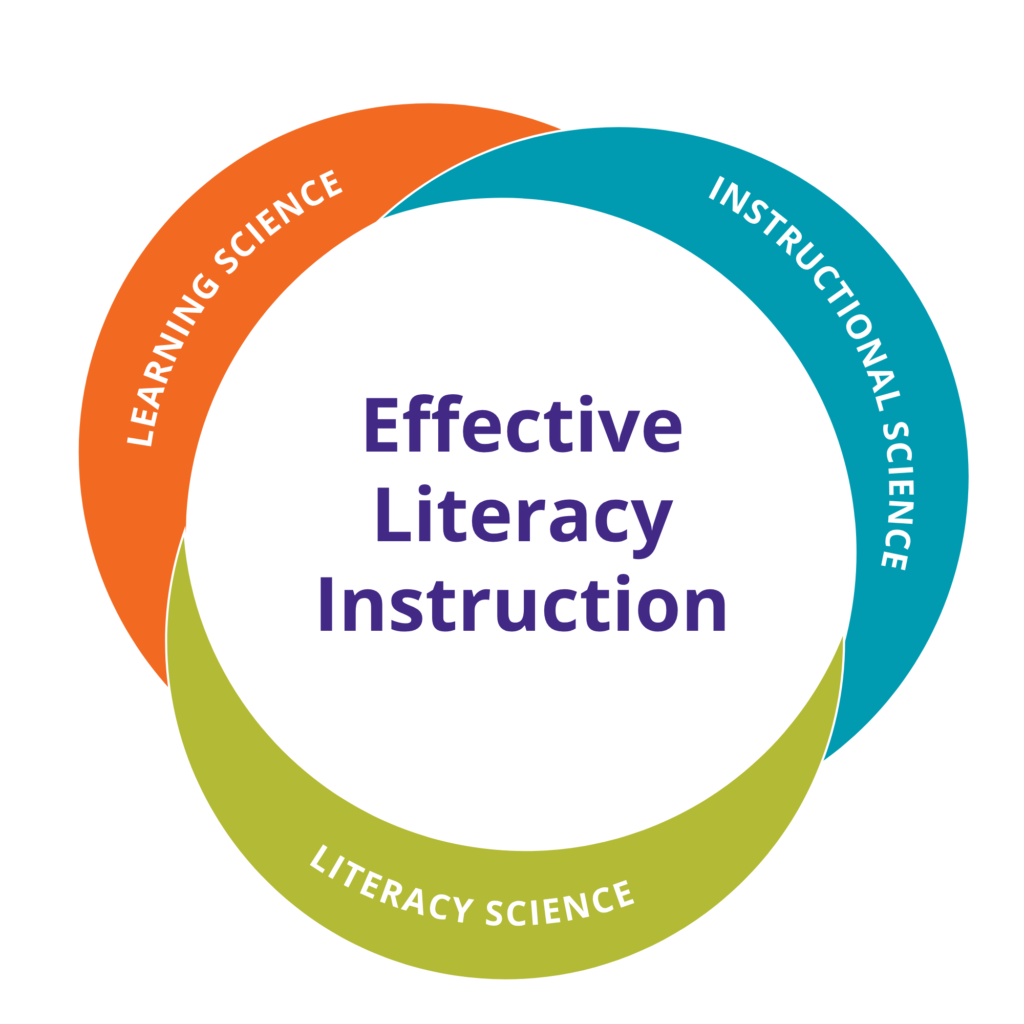
How we teach matters as much as what we teach. To achieve lasting success for our students, effective instruction requires the integration of three interrelated areas of research: literacy science, learning science, and instructional science.
- What we teach: We teach all components of literacy science.
- How we learn: We apply cognitive and learning science about how humans acquire and retain new knowledge and skills.
- How we instruct: We organize, sequence, and deliver instruction in ways that maximize learning.
Literacy Science
Being a Reader includes all essential instructional components for cultivating proficient readers and is rooted in the research on how skilled reading develops and its underlying processes: phonemic awareness, decoding, encoding, vocabulary, fluency, comprehension, and knowledge.
Learning Science
Being a Reader applies cognitive science to create an optimal environment for student learning. The program uses research-based practices to ensure students master and retain new learning and to create the conditions in which students feel engaged and supported to take the risks necessary for learning.
Instructional Science
Being a Reader puts instructional science into action. Grounded in the research on how effective teaching is designed, the program translates that research into clear and actionable classroom practice by organizing, sequencing, and delivering instruction to support lasting learning.
Read our review by The Reading League for a closer look at Being a Reader and its alignment with the Science of Reading.
Word Recognition and Language Comprehension Develop Together
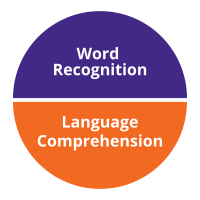
Research confirms effective literacy instruction must include both word recognition skills and comprehension from the start, intentionally elevating skill development, meaning-making, and knowledge building, so students become skilled, thoughtful, independent readers.
Being a Reader is designed so that students learn to read accurately and fluently while building the language, knowledge, and thinking skills needed to make meaning from text.
Our Approach
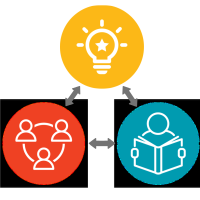
Our reading instruction employs explicit and systematic instruction, and is built on three interconnected principles. In whole-class instruction, highly accessible learning is grounded in rich texts and ideas — motivating all students to engage, discuss, ask questions, and share their thinking with classmates. We develop skills within targeted, intentional small groups where every learner participates and instruction stays responsive. Through daily independent work, we ensure students reinforce and master their learning through ample, instructionally aligned practice and reading.
Whole-Class • Small-Group • Independent Work
Whole-class instruction. Rich ideas for every student, from day one.
Interactive read-alouds bring the whole class together — English learner students, developing decoders, and advanced readers alike — so no one waits to access big ideas.
- In K–2, students build the language, skills, and habits readers need.
- In 3–5, they sharpen word analysis and comprehension to tackle increasingly complex texts with confidence.
As students listen, discuss, and write about reading, teachers gain real-time insights into comprehension and engagement — insights that shape instruction all day long.
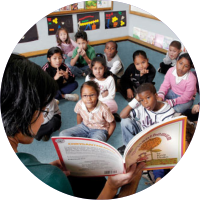
Small-group instruction meets every student exactly where they are.
A focus on placement-based foundational skills instruction builds the decoding accuracy and fluency each student needs. Concurrently, students engage in increasingly deep comprehension work, as well as instruction in vocabulary and syntax — with teachers drawing on observations from whole-class and independent work to sharpen their focus and track progress.
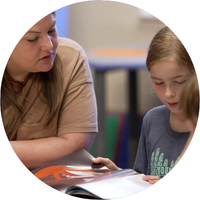
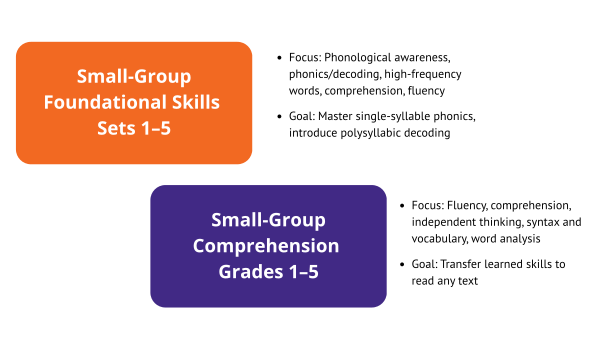
Independent work puts new skills into immediate practice.
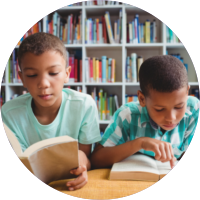
While teachers meet with small groups, other students are independently and purposefully practicing what they’ve been learning.
- In K–2, that means reading, playing with words, and writing
- In 3–5, independent reading and student-led book clubs
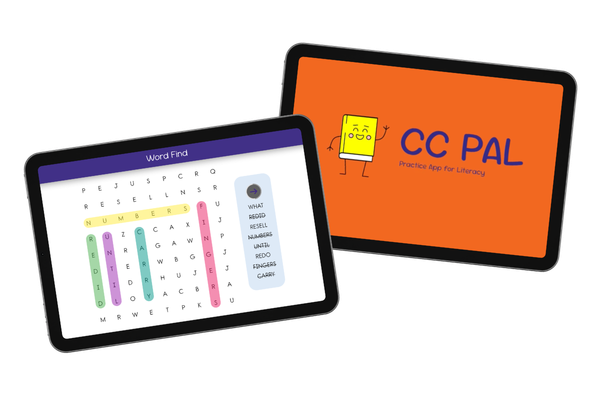
CC PAL Student Practice App
Being a Reader students get instructionally aligned independent practice with the CC PAL app’s adaptive, game-based learning.
Teachers set each student’s instructional starting point, and the app adjusts in real time to keep the challenge just right. A built-in educator dashboard delivers actionable instructional insights at the individual, small-group, and whole-class level. Give it a try!
Everything an Educator Needs—Built In
Systematic Scope and Sequence
Being a Reader is a research-grounded program built on a clear continuum of reading development. A scope and sequence at each grade level integrates instructional strands that work together to build the word recognition and language comprehension skills readers need at every stage.
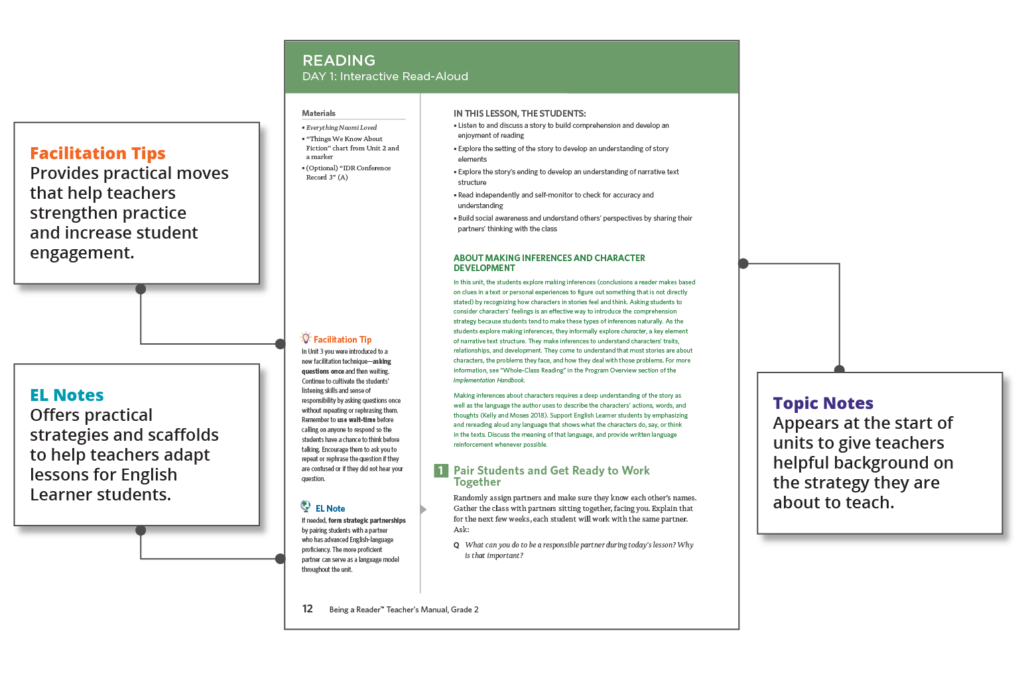
Embedded Teacher Notes and Instructional Support
Being a Reader is an educative curriculum, constructed so that teachers expand their content knowledge and develop their pedagogical expertise every day as they engage with the program. Educators learn and deepen their practice as they teach. Take a closer look 🔍
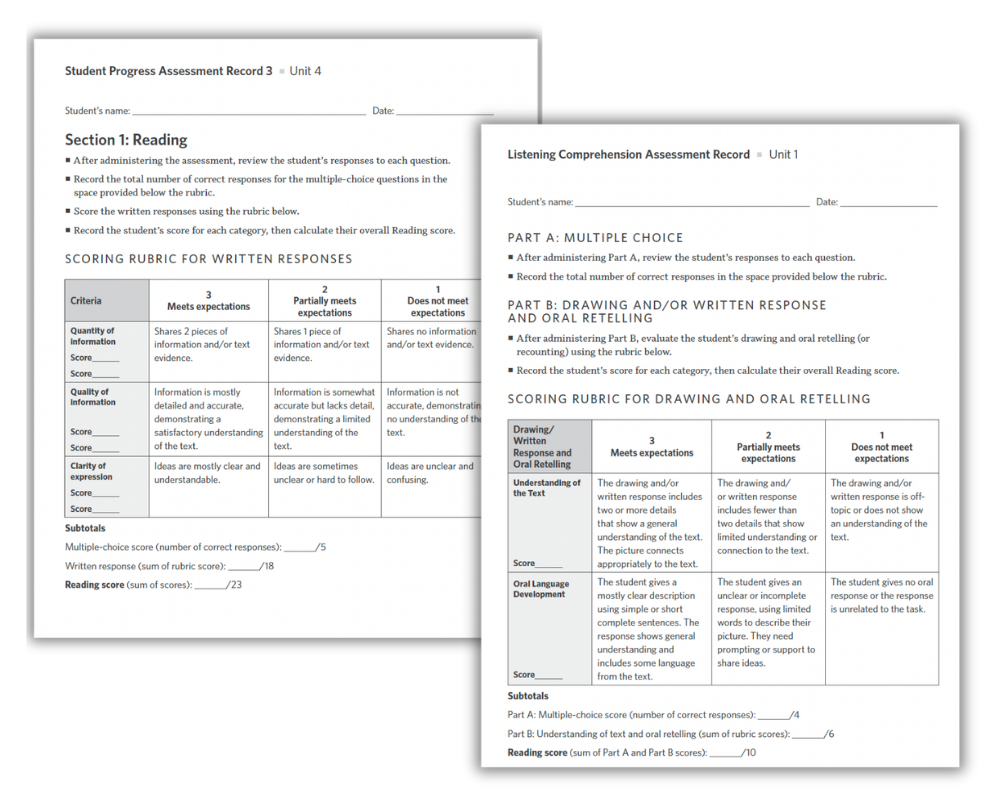
Assessments that Inform Action
From the first day of instruction to the last unit of the year, Being a Reader’s assessment system keeps teachers informed and ready to act. These tools give teachers the clarity to adjust instruction in real time — without disrupting the flow of learning.
- Placement and progress monitoring tools identify where each student is starting and track their mastery over time
- Embedded formative assessments surface what students understand in the moment
- End-of-unit summative assessments measure growth across comprehension, vocabulary, word study, and spelling
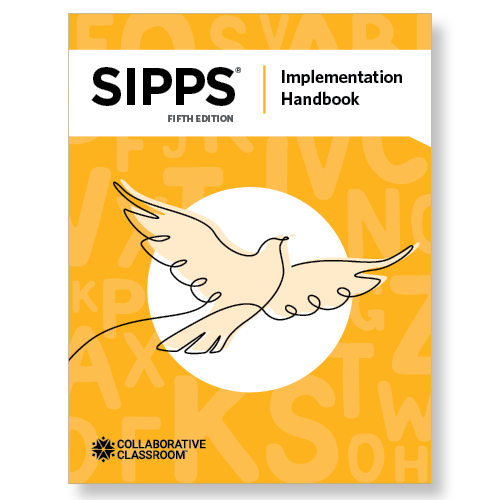
SIPPS for an Aligned Intervention
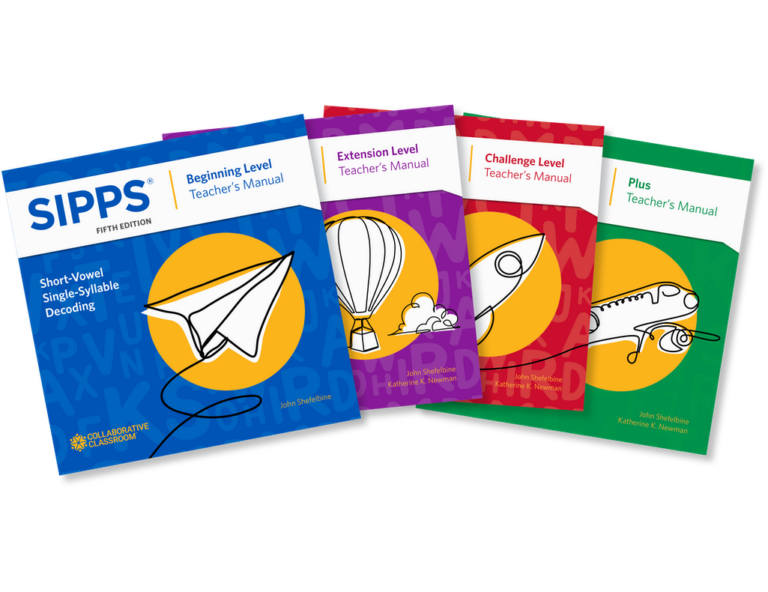
For students identified as needing additional practice in developing decoding skills and fluency, SIPPS® and Being a Reader offer an aligned scope and sequence, creating coherence for students moving between tiers.
High-Quality Fiction and Nonfiction Texts
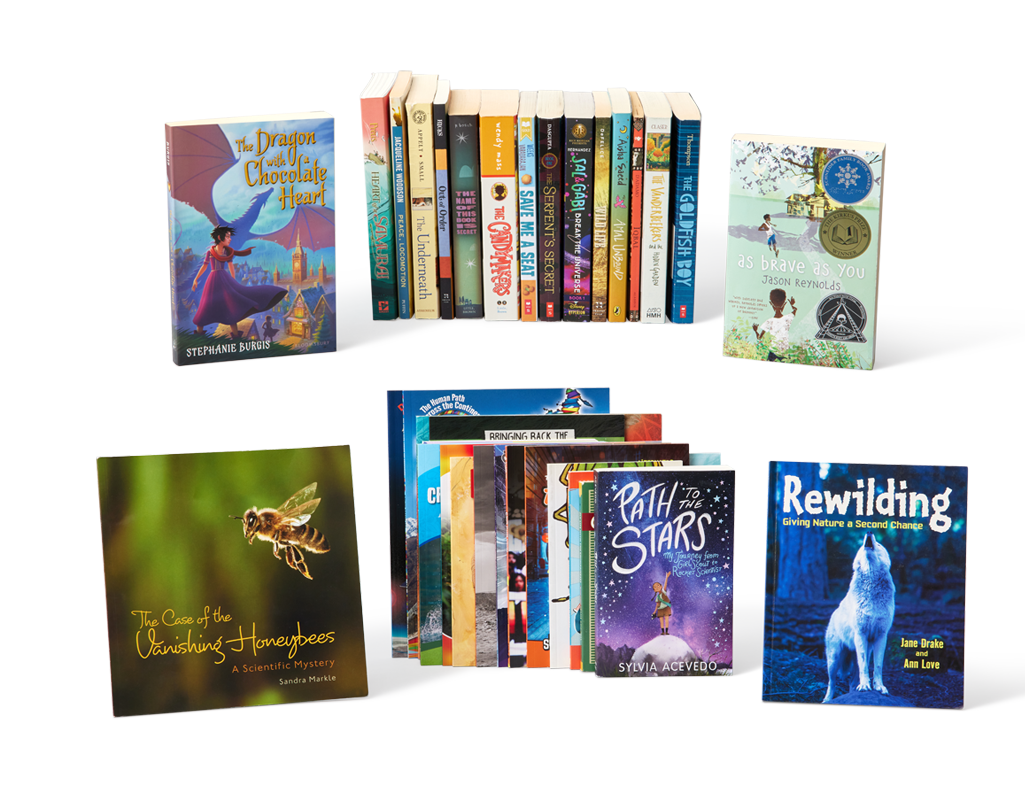
Our carefully curated collection of texts reflect a range of backgrounds, cultures, and perspectives — exposing students to rich language and the full range of human experience through time-tested favorites and new authors alike. These texts are used across:
- Interactive read-alouds — whole-class texts that spark curiosity and discussion
- Small-group instruction — decodables and tradebooks matched to students’ levels to build foundational skills and fluency
- Individualized Daily Reading (IDR) library — level-appropriate independent reading choices that foster reading identity and a lasting love of books
IDR Library Essentials Collection
For additional books for a classroom’s library, the optional IDR Library: Essential Collection includes 120 titles per grade—over 30 tied to unit topics—making it easy to provide engaging texts that match students’ interests, appeal to their curiosity, and build knowledge.
Texts That Support Knowledge Growth
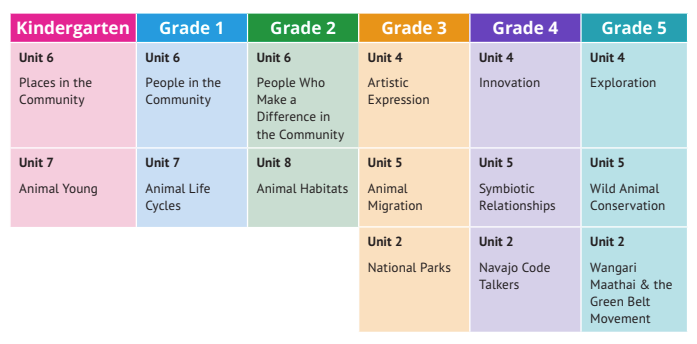
Reading comprehension deepens when students can connect new ideas to existing knowledge. Being a Reader supports this through carefully sequenced texts — including 2–3 science and social studies units per grade — that build vocabulary and content knowledge while strengthening comprehension. Take a closer look at the subjects across grade levels.🔍
Nonfiction Articles Build World Knowledge
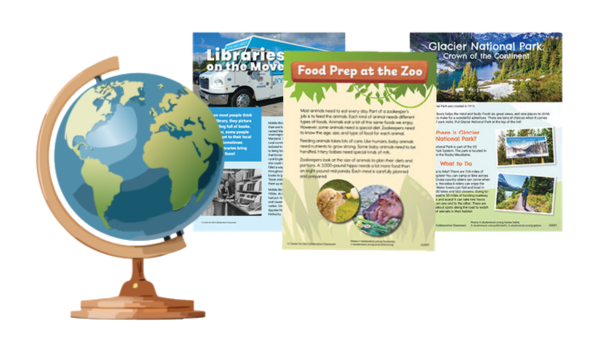
Nonfiction articles in Being a Reader build literacy skills while expanding students’ knowledge of the world. Integrated throughout the program, they strengthen comprehension and critical thinking through opportunities to make connections, ask questions, and explore topics in depth—while developing key skills for understanding nonfiction text features and structures.
Support for English Learners
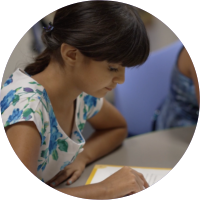
Each grade’s Implementation Handbook includes specific recommendations to ensure English Learners access and succeed with grade-level content. Lessons also provide built-in EL support:
- EL margin notes with in-the-moment scaffolding suggestions
- Pre-teaching support to prepare students for confident participation
- Extensions to practice and deepen key strategies and concepts

Designated English Language Development (D-ELD)
Our D-ELD component builds English proficiency through rigorous, strategic instruction — connecting daily language lessons to core content so students can participate fully in grade-level learning.
Explicit Instruction for Social Development
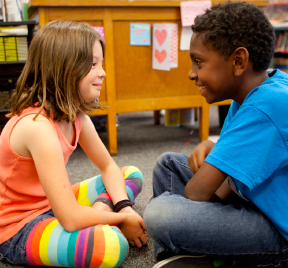
Students learn best when they feel safe, valued, and connected. Being a Reader weaves social skills into literacy instruction, helping students practice cooperation, empathy, and respect while engaging with text.
Through explicit lessons and guided discussion prompts, students learn to listen, speak, work together, resolve conflicts, and reflect on their interactions—building the relationships and skills essential for deeper thinking and successful learning.
An AI Assistant, Just a Click Away
CC AI Assistant is a personalized support tool included with Being a Reader and trained exclusively on Collaborative Classroom’s content to give teachers accurate, reliable answers whenever they need them. Whether troubleshooting a lesson or supporting a struggling reader, help is just a click away.
I love getting immediate, accurate answers that help me move forward quickly. Being able to ask follow-up questions gives me even more clarity when I need it. It is a fantastic experience!
Kristy Nelson, Elementary Instructional Coach
Explore the Evidence Base
ESSA Level 2: Moderate Evidence
A well-implemented quasi-experimental study with matched treatment and control groups
What Educators Say About Being a Reader

My students have become better problem solvers because of the discussions we have during reading. I have seen a love for reading develop even more this year because with Being a Reader students are given the time for independent reading every day.
Brittany Squires, First Grade Teacher, Upshur County, West Virginia
We have witnessed so much growth in reading over the course of this school year. Some children have been able to progress almost two school years’ worth of growth already.
Allison Wist, Academic Coordinator, Resurrection-St. Paul School, Howard County, MD
The Being a Reader small-group sets of books are well-written and engaging for the children. They truly enjoy them and admittedly, so do I.
Carolyn Helmers, kindergarten, Maddux Elementary School
It is so exciting to see my students who are typically struggling be able to share their ideas with their peers!
Holly Robbins, third grade teacher, Ka’ala Elementary, Oahu
Teachers and children are thriving in small-group instruction. Teachers love the program’s ease, and the real impact shows: students of all abilities and backgrounds can access it.
Allison Wist, Academic Coordinator, Resurrection-St. Paul School, Howard County, MD
The Learning Portal
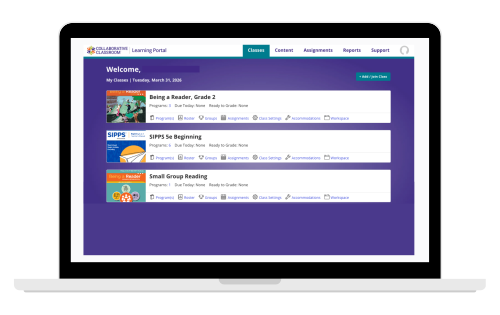
For Teachers
- Manage Program Resources: Access all your teaching materials and digital tools in one organized location.
- Simplify Prep Work: Download and print student consumables, worksheets, and reproducibles with a single click.
- Go Paperless: Build, assign, and grade digital assessments that provide instant feedback for your students.
- Stay Informed: Receive real-time updates on instructional pacing, curriculum news, and teaching tips.
For Leaders
- Ensure Curriculum Fidelity: Gain full visibility into how program resources are being utilized across your school or district.
- Drive Data-Informed Growth: Access high-level assessment reports to track student progress and identify areas for intervention.
- Streamline Communication: Instantly broadcast instructional updates and pacing notifications to ensure all classrooms remain aligned.
- Optimize Operations: Reduce printing costs and administrative overhead with centralized, paperless workflows and reporting.
Professional Learning
At Collaborative Classroom, we know that how we teach matters as much as what we teach. Our curricula and professional learning empower educators to take charge of instruction and learning through embedded and digital resources, along with a variety of professional learning pathways designed to fit any schedule.
One-on-One Virtual Professional Learning
Collaborative Coach pairs individual educators with their own expert coach for fully personalized, program-specific professional learning.
Through a flexible, video-based cycle of 1:1 learning with their coach, each educator deepens their teaching practice and grows their understanding of the Collaborative Classroom curriculum they are implementing in a safe and supportive environment.

Custom Professional Learning
To meet your organization’s unique needs, we offer custom professional learning plans that weave together a variety of formats to achieve your implementation goals. When shaping your plan, we consider your available time, funding, and resources alongside short- and long-term instructional priorities, who will be involved and how they’re supported, educators’ prior professional learning experiences, and any relevant technology considerations.
Program Add-ons and Alignment Across K–12
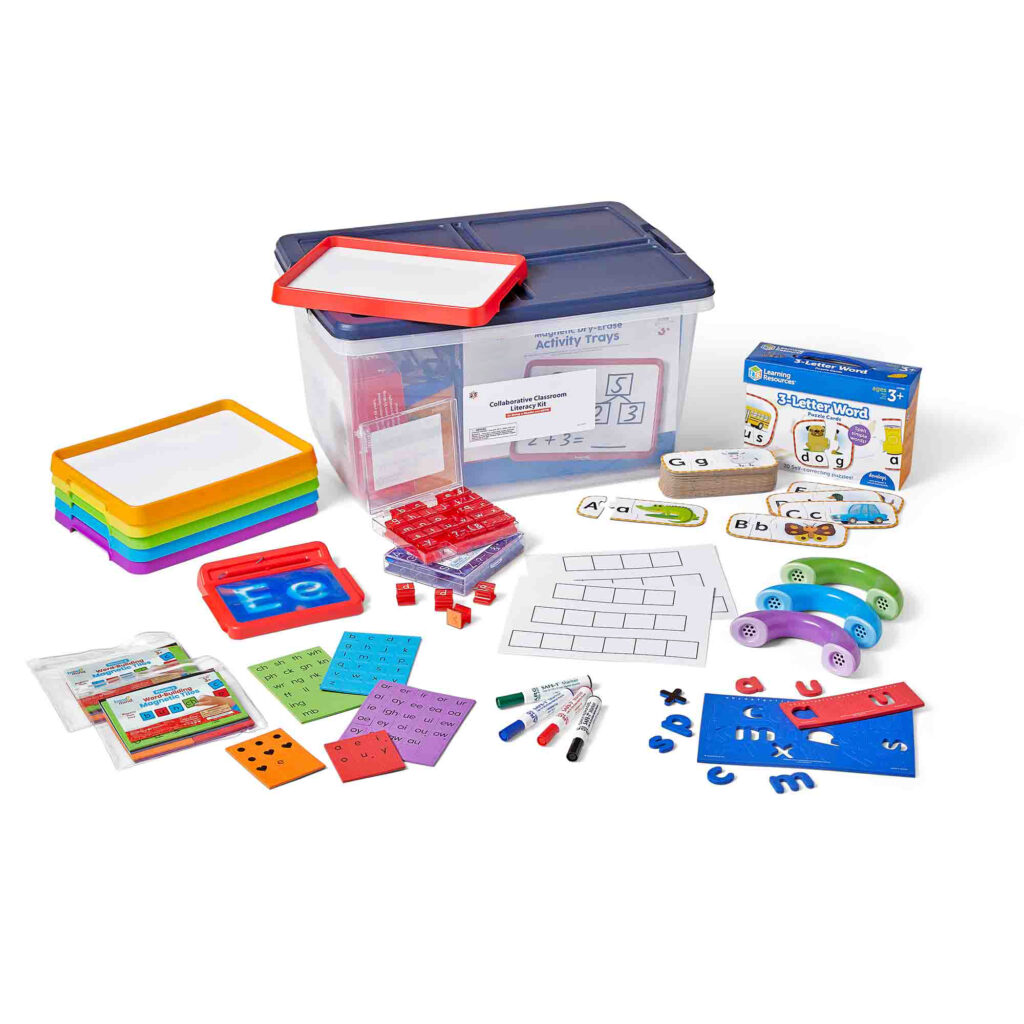
Collaborative Classroom Literacy Kit (K–3)
Hands-on materials that support engaging, lesson-aligned independent work. Each kit supports up to six students.
SIPPS for Aligned Intervention
With SIPPS® both new and striving readers quickly develop the accuracy and automaticity needed for fluent, independent reading. Nationally recognized and evidence-based, SIPPS is a powerful supplement in any literacy block.
Individualized Daily Reading (IDR) Essential Collection
For additional books for a classroom’s library, the optional IDR Library: Essential Collection includes 120 titles per grade—over 30 tied to unit topics—making it easy to provide engaging texts that match students’ interests, appeal to curiosity, and build knowledge.
Aligned Early Literacy Instruction
Whether you’re looking for a complete curriculum for 3- and 4-year-olds, a targeted literacy program, or professional learning to empower your educators, our proven offerings support joyful learning and strong outcomes for early childhood.
Download Digital Sample Kit
Download the Being a Reader brochure, sample lessons, sample texts, and more.