If you’re a school or district leader looking for a proven, scalable way to improve literacy outcomes, the Walk to Read model deserves serious attention.
Schools that have implemented it—Nystrom Elementary, Pedley Elementary, Ina Arbuckle and Mission Bell, as well as the school featured in Elana Gordon’s “Walk to Read 2.0: The Well-Oiled Machine Strikes Again”—have seen some of their highest-ever proficiency levels and rapid student growth.
But results like these don’t happen by accident. They come from deliberate, phased implementation grounded in a clear vision, strong systems, and shared accountability. Here’s what leaders need to know to implement Walk to Read successfully.
Read the blog, then download the Walk to Read Readiness Checklist to help you feel confident in a Walk to Read implementation.
What Is Walk to Read—and Why Does It Work?
Walk to Read is a structured daily literacy block where students receive instruction targeted to their specific skill needs rather than their age or homeroom. It’s designed to maximize instructional time, reduce inefficiencies, and ensure students are placed at the right level of support.
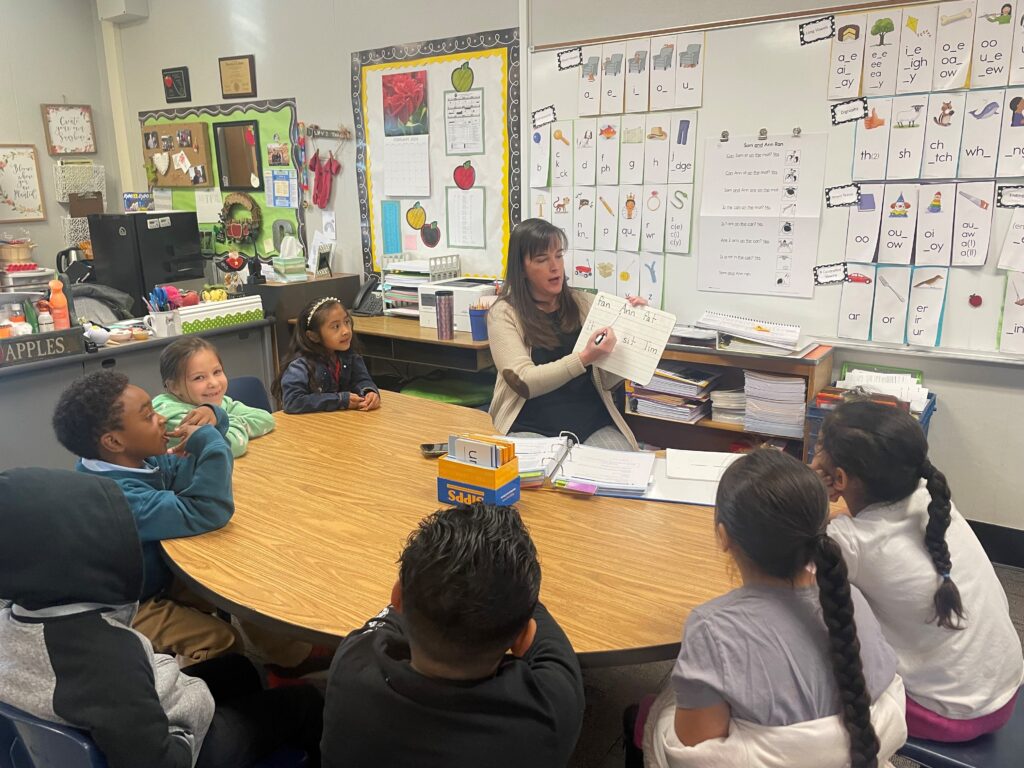
Students are assessed using diagnostic tools or program-based placement tests, then grouped across classrooms. They “walk” to the teacher who targets the skill they need most, whether phonics, fluency, or comprehension. For example, based on a phonics diagnostic, a student may be placed in instruction focused on long vowels or CVC patterns.
What makes Walk to Read effective is its ability to scale differentiation:
- A single teacher can effectively lead one or two instructional groups, maximizing focus and minimizing lost time during transitions.
- A team of six teachers can create up to 12 skill-based groupings—providing a level of precision that is difficult to achieve in a traditional model.
At its core, Walk to Read aligns with the Science of Reading, providing the structure needed to deliver explicit, systematic instruction at scale.

How Walk to Read Functions Within a Tiered System
Walk to Read is most effective when it’s treated not as a scheduling strategy but as part of a broader instructional system. In practice, it’s one way schools operationalize a Multi-Tiered System of Supports (MTSS).
Within MTSS:
- Tier 1 provides high-quality, evidence-based instruction for all students.
- Tier 2 provides targeted small-group or “double dose” support.
- Tier 3 provides intensive, individualized intervention.
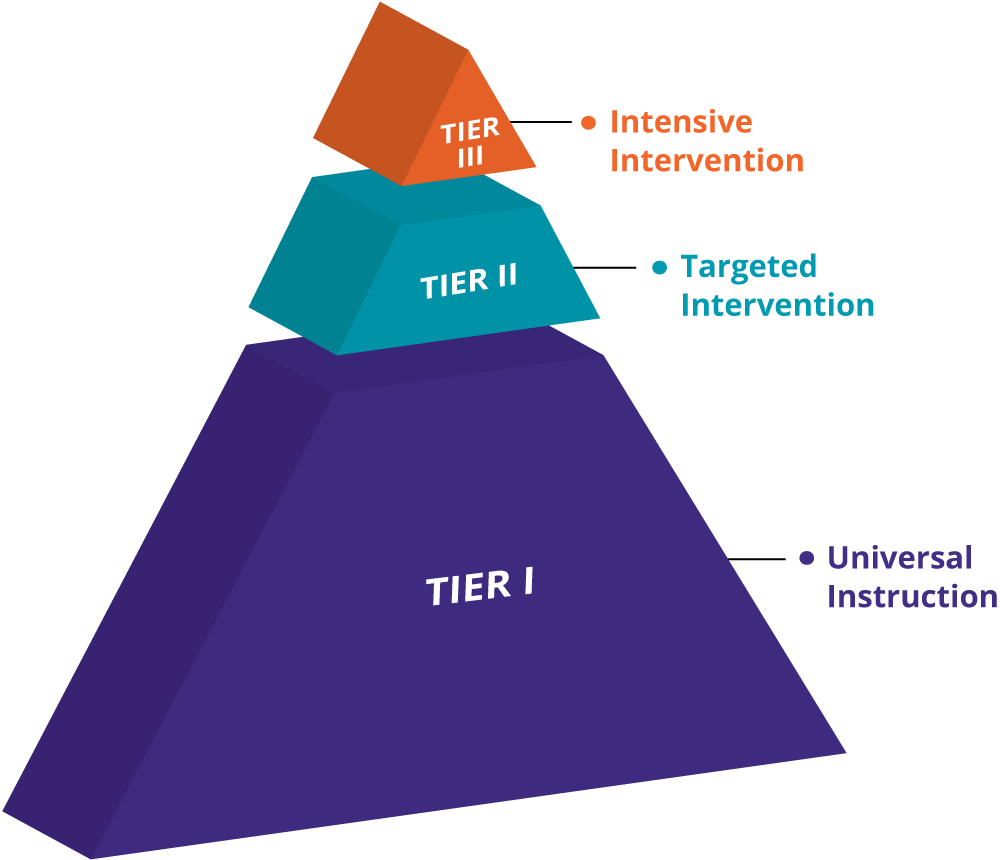
Walk to Read functions as the structure that allows instruction to flex across these tiers in real time.
When a large percentage of students need additional support, implementing Walk to Read schoolwide ensures all students receive instruction aligned to their current skill level. This maximizes learning time through intentional grouping while still allowing Tier 2 and Tier 3 supports to increase intensity as needed.
When only a small number of students require additional support, a full Walk to Read model may not be necessary. In those cases, a more targeted intervention structure may be a more efficient use of time and staffing.
How to Implement a Walk to Read Model
Build the Vision and Culture First
Before adjusting schedules or selecting a curriculum, start with the why. Analyze universal screening and diagnostic data to understand where students are performing. Beyond ELA and curriculum-based measurement (CBM) data, deeper diagnostic and phonics assessments help pinpoint specific skill gaps. Those data become the foundation for all decisions that follow.
From there, establish a shared belief: reading success is a schoolwide responsibility. Walk to Read only works when the mindset shifts from “my students” to “our students.”

Next, convene a stakeholder team—including administrators, instructional leaders, interventionists, and coaches—to:
- Analyze data
- Explore models
- Select curriculum
- Set clear expectations
Just as importantly, build systems for:
- Ongoing collaboration and meetings
- Teacher feedback loops
- Problem-solving and adjustment
Define and document shared expectations for:
- Data collection
- Instructional routines
- Student behavior
Leadership plays a critical role in this phase. At Nystrom Elementary, Principal Jamie Allardice worked alongside staff, attending professional development and modeling instruction, which helped build credibility and momentum.
If needed, start small. Piloting a grade band or limited group allows teams to refine systems before scaling schoolwide.
Select an Evidence-Based Instructional System
Before schedules are built or groups are formed, districts need a clear instructional foundation. Walk to Read depends on a coherent, evidence-based system that supports explicit instruction, skill-based grouping, and consistent progress across tiers.
At the core should be structured literacy aligned to the Science of Reading, with a clear scope and sequence and systematic skill development across Tiers 1, 2, and 3.
One often-overlooked area is what happens outside the small group. While teachers deliver targeted instruction, other students need meaningful, aligned work—not filler or busywork. Independent practice should directly reinforce taught skills to ensure instructional time isn’t diluted.
Ultimately, the instructional system determines whether Walk to Read leads to acceleration. The schedule organizes time, but the curriculum drives learning.
Evidence-Based Programs from Collaborative Classroom
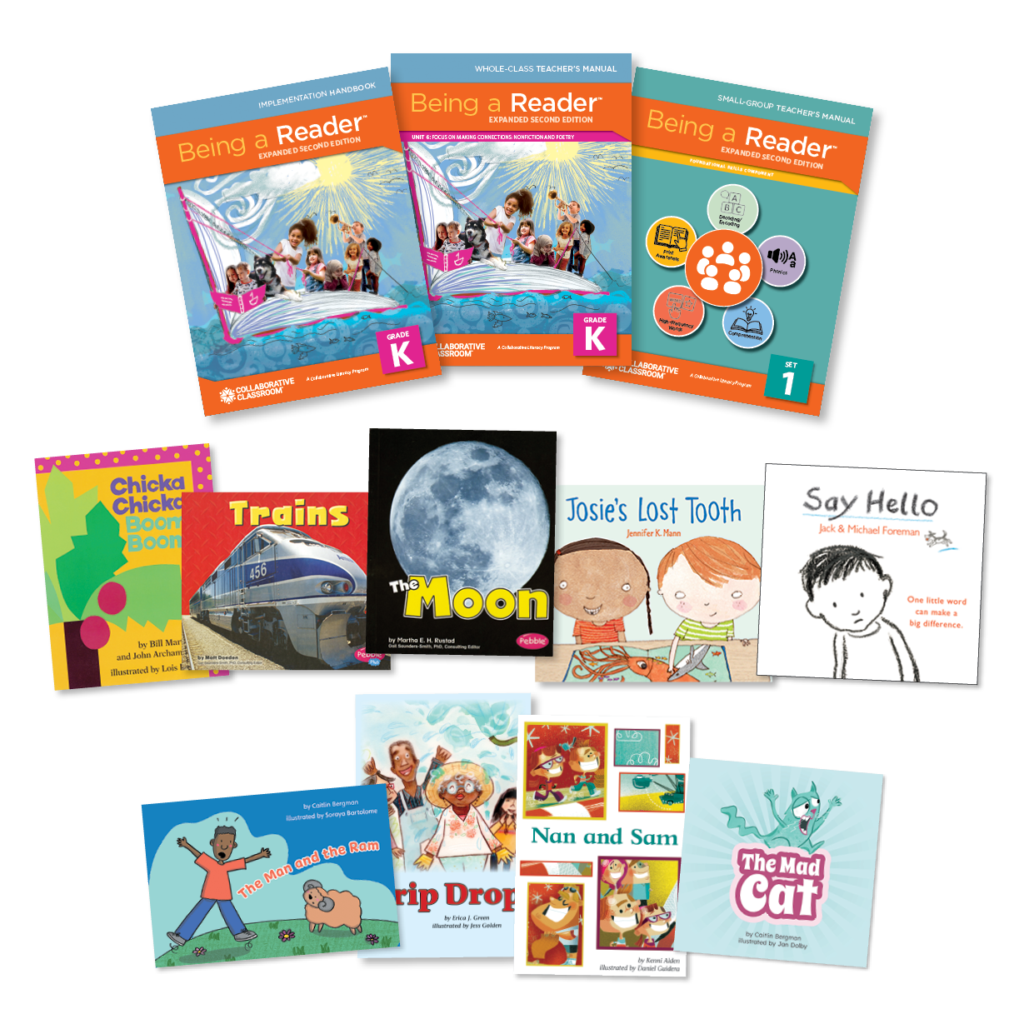
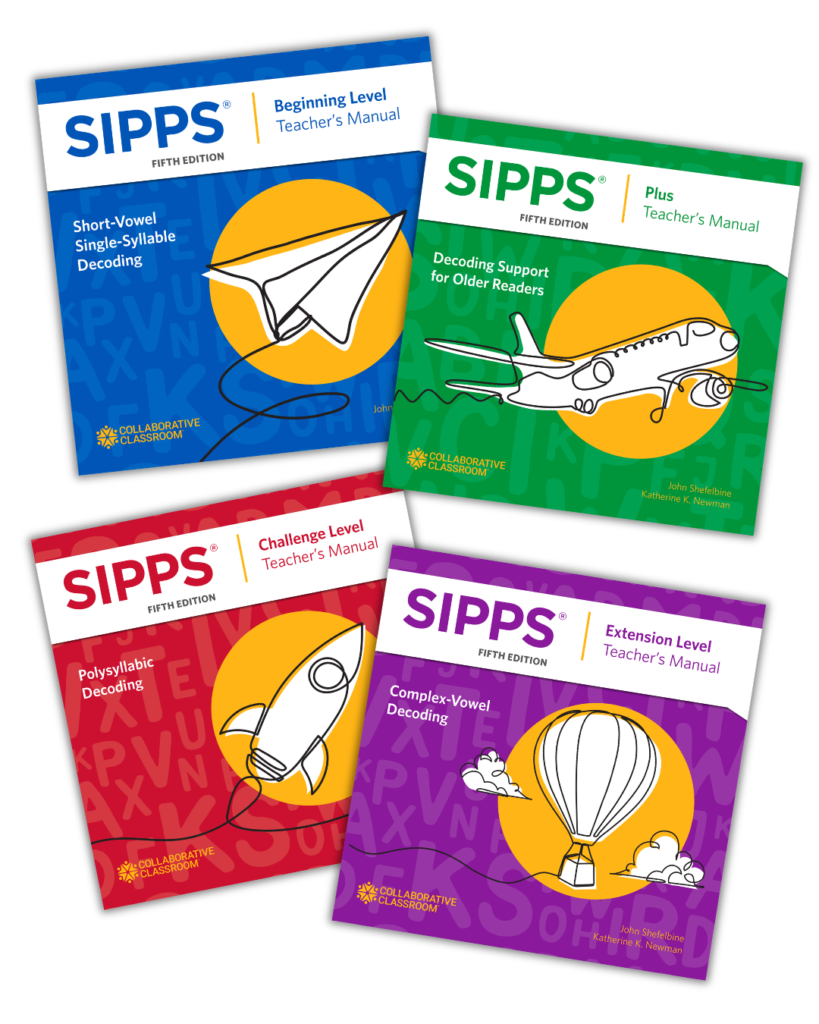
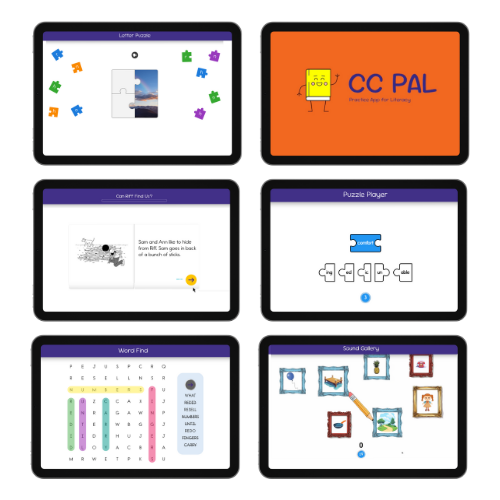
Collaborative Classroom helps schools implement Walk to Read with a cohesive set of instructional tools. Being a Reader and SIPPS provide differentiated, evidence-based instruction tailored to students’ needs, while CC PAL gives students meaningful independent practice that reinforces learning and supports productive classroom rotations.
Design the Schedule and Logistics
Strong implementation depends on a schedule that protects the model and ensures consistency across classrooms and grade levels.
While the exact length of the literacy block may vary by school context, strong implementations typically use a consistent daily literacy block—often 90–120 minutes—that prioritizes direct, skill-based instruction. Note that the actual time for specific skill groups in decoding might be only 30 minutes within that 90–120-minute total. What matters most is not the exact number of minutes but that the instructional dose is protected and aligned to student needs.
Several practices make a significant difference:
- Use a consistent daily literacy block that prioritizes instructional time.
- Stagger grade-level schedules so leaders and coaches can provide support. At Nystrom Elementary, early challenges came from running all grade levels simultaneously, which limited coaching and support. In year two, staggering schedules allowed leadership to observe instruction and provide real-time support, improving fidelity and implementation quality.
- Leverage all available staff—teachers, specialists, and paraprofessionals—with clearly defined roles:
- Credentialed staff lead core instruction.
- Paraprofessionals provide targeted or second-dose intervention.
- Treat the block as non-negotiable instructional time.
Consistency is critical. Schools that see strong results don’t cancel, shorten, or dilute the block—they protect it as the core engine of their literacy system.
When the schedule is intentional and protected, it becomes the foundation that enables coherent, high-quality instruction.
Launch the Model with Intention
A strong launch is essential to long-term success.
Before full implementation:
- Explicitly teach and practice routines, transitions, and expectations.
- Ensure students understand the purpose of Walk to Read.
- Reteach expectations across classrooms and settings.
- Delay full instructional rollout until procedures are consistent.
Strong launches prioritize systems first—because instruction only works when the structure runs smoothly.
Assess Carefully and Group Flexibly
Accurate placement drives success. Use reliable tools such as SIPPS® Placement Assessments, the CORE Phonics Survey, or the Basic Phonics Skills Test (BPST) to identify specific skill needs.
Group students by skill—not grade level or label—and ensure placements remain flexible. As students progress, regroup regularly based on updated data rather than static levels.
Before launch, ensure all placement data are entered into a shared, visible system so staff can make timely instructional decisions.
Students should move fluidly between phonics, fluency, and comprehension as they master skills, keeping instruction aligned to need rather than fixed group identity.

Let Data Drive Every Decision
Walk to Read requires disciplined, ongoing use of data. Monitor mastery regularly (for example, targeting 80 percent proficiency benchmarks) and use results to guide instruction, regrouping, and intervention.
Hold regular data meetings to:
- Identify where students are stuck
- Adjust instruction and grouping
- Ensure data are visible and shared across teams
Families should also be part of the system. Clearly communicate progress and instructional approaches so they understand how support is aligned at school.

Invest in Professional Learning and Coaching
Even the strongest literacy model will fall short without well-supported, confident teachers. All instructors in general education, Special Education, and intervention roles need to work in alignment across Tiers 1, 2, and 3.
Begin with Science of Reading foundations, then reinforce through practice-based professional learning — modeling, rehearsal, coaching, and ongoing feedback. Strong coaching structures don’t just prepare teachers for launch; they sustain fidelity and drive improvement over time.
Plan not just for your launch cohort, but for staff turnover. New teachers need to get up to speed quickly without disrupting the model — making documented routines, a coaching structure, and a clear onboarding process essential to long-term success.

The Bottom Line for District Leaders
Walk to Read is not a quick fix—it’s a system.
When it’s implemented well:
- Instruction is coordinated schoolwide.
- Students receive targeted daily support.
- Time is used more efficiently.
- Teams continuously improve through data and collaboration.
Success doesn’t come from getting everything right at the start. It comes from building a system that can respond, refine, and improve over time.
Take the Next Step
Implementing Walk to Read successfully requires more than a schedule—it requires clear systems, strong instruction, and aligned resources across your literacy block. A well-designed instructional system ensures that every student receives targeted support, meaningful practice, and consistent literacy instruction throughout the day.
If your team is preparing to launch or refine a Walk to Read model, our Walk to Read Readiness Checklist can help you assess your current systems and identify next steps for implementation. Download the checklist to get started—and take the next step toward building a stronger, more aligned literacy system.
Walk to Read Readiness Checklist
Ready to implement a Walk-to-Read model at your school or district? Download this helpful checklist to make sure you are prepared for a successful implementation.