Evidence-Based Literacy Curriculum for Grades K–5
A Complete Solution for Building Literacy and Knowledge
Discover the transformative power of Collaborative Literacy—a comprehensive K–5 curriculum that builds strong and knowledgeable readers and writers, creates vibrant and caring classroom communities, and empowers teachers to deepen their knowledge and expertise.
By weaving together the latest in literacy learning research with social-skills development and embedded professional learning, Collaborative Literacy gives educators the tools they need to support students through their literacy journey.
Now Expanded with Designated English Language Development and Small-Group Comprehension

Beyond the Science of Reading
How we teach matters as much as what we teach. To achieve lasting success for our students, effective instruction requires the integration of three interrelated areas of research: literacy science, learning science, and instructional science.
- What we teach: We teach all components of literacy science.
- How we learn: We apply cognitive and learning science about how humans acquire and retain new knowledge and skills.
- How we instruct: We organize, sequence, and deliver instruction in ways that maximize learning.
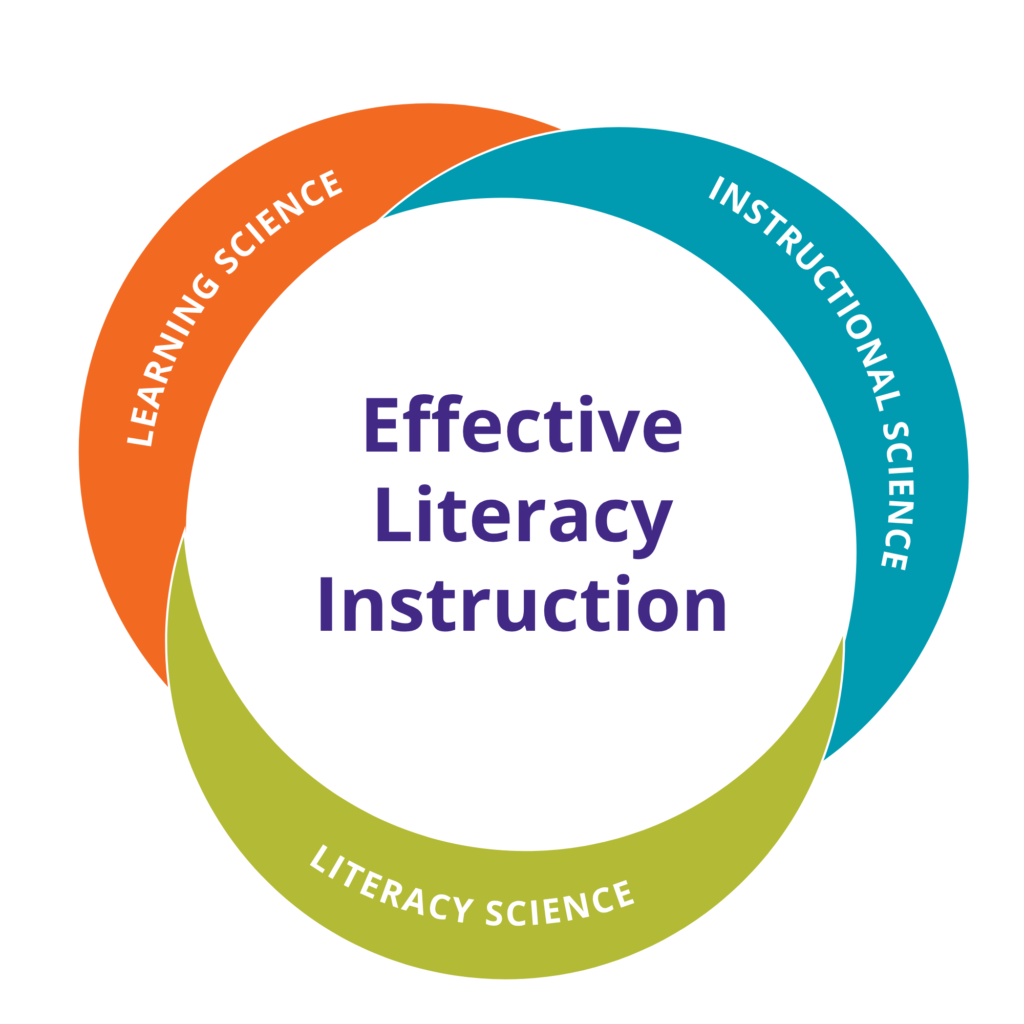
Literacy Science
Collaborative Literacy includes all of the essential instructional components for cultivating proficient readers and writers. The curriculum is firmly rooted in the scientific research on how skilled reading and writing develop and their underlying processes.
Learning Science
Collaborative Literacy applies cognitive science to create an optimal environment for student learning. The program uses research-based practices to ensure students master and retain new learning and to create the conditions in which students feel engaged and supported to take the risks necessary for learning.
Instructional Science
Collaborative Literacy puts instructional science into action. Grounded in the research on how effective teaching is designed, the program translates that research into clear and actionable classroom practice by organizing, sequencing, and delivering instruction to support lasting learning.
Read the review of Collaborative Literacy by The Reading League Compass to learn about the curriculum’s strong alignment with the Science of Reading.
Reading and Writing Instruction, Seamlessly Connected
There’s an undeniable reciprocity between reading and writing. For this reason, Collaborative Literacy comprises two dynamic programs—Being a Reader™ and Being a Writer™.
While each program can be taught on its own, when used together as Collaborative Literacy, they create a deep connection between reading and writing—developing fluent, competent, and independent readers and writers.
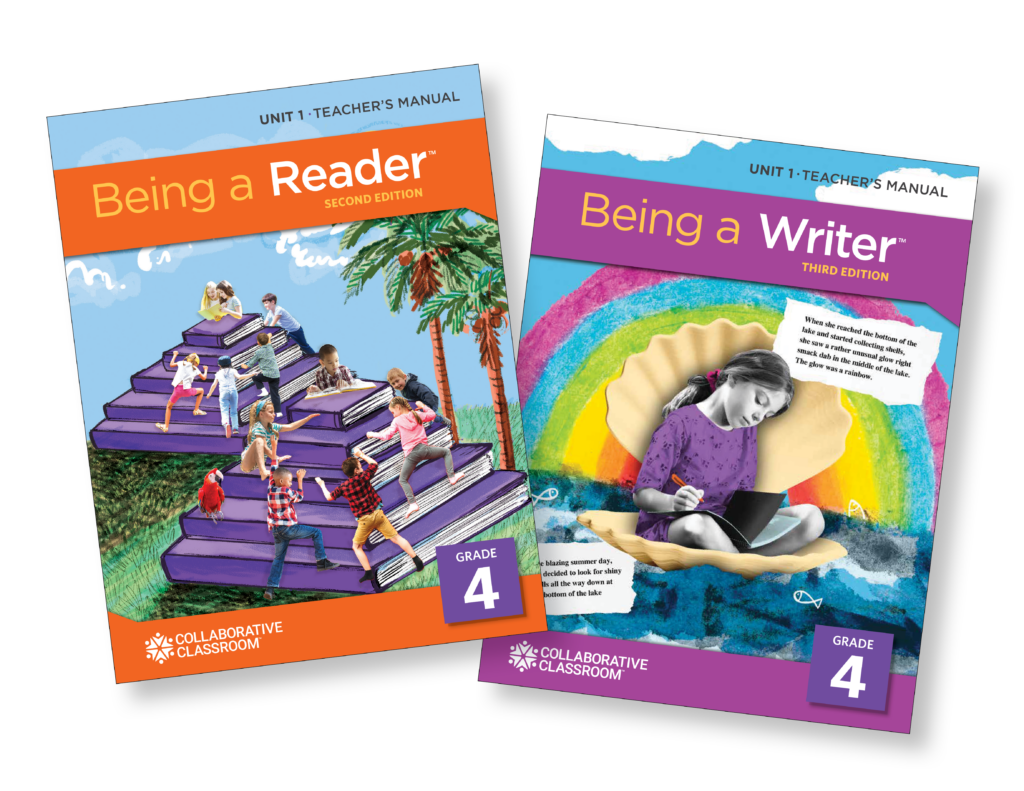
Being a Reader™
- Differentiates and teaches phonics and foundational skills to mastery
- Develops comprehension, fluency, vocabulary, and independent thinking
- Uses open-ended questions and facilitated discussions to deepen understanding
- Provides daily time and support for independent reading practice
Being a Writer™
- Provides student-centered writing instruction in process, genres, and conventions
- Uses collaboration and peer feedback to foster an engaged writing community
- Includes time in each lesson for students to apply skills through independent writing
- Improves writing fluency
Literacy and Knowledge-Building Skills Develop Together
Students build knowledge by reading, talking, and writing, developing transferable inquiry skills that grow from asking simple questions in kindergarten to driving their own research by grades 3–5.
At each grade level, students:
- Dive into 2–3 high-interest science and social studies topics with texts that build knowledge across grade levels
- Build the vocabulary skills, genre knowledge, comprehension strategies, and research skills to independently explore any topic
- Talk and write to clarify their thinking and deepen their learning
- Use the writing process to draft, revise, proofread, and publish pieces in the genres they studied as readers.
Through this integration of reading and writing experiences, students actively foster their curiosity, build their knowledge and develop inquiry skills, and become experts on topics that truly matter to them.
Everything an Educator Needs—Built In
Systematic Scope and Sequence
Collaborative Literacy is a research-grounded program built on a clear continuum of literacy development. View Scope and Sequence by grade level.
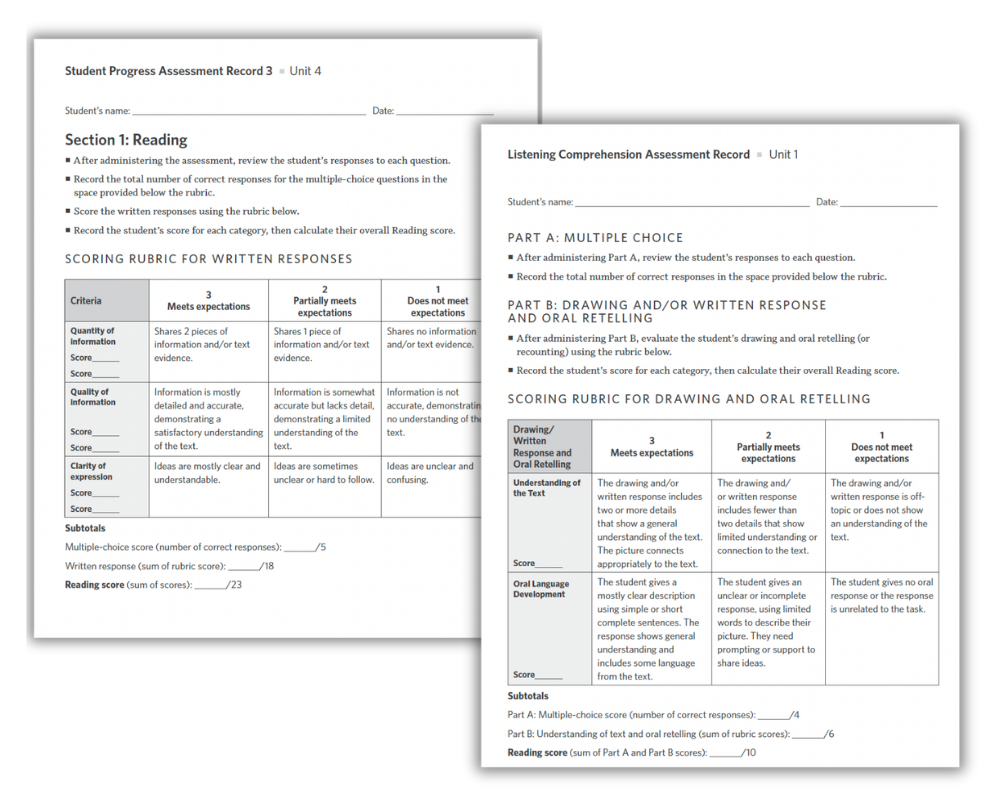
Assessments that Inform Action
From the first day of instruction to the last unit of the year, Collaborative Literacy’s assessment system keeps teachers informed and ready to act. These tools give teachers the clarity to adjust instruction in real time — without disrupting the flow of learning.
- Placement and progress monitoring tools for foundational reading skills
- Embedded formative assessments
- End-of-unit summative assessments
SIPPS for an Aligned Reading Intervention
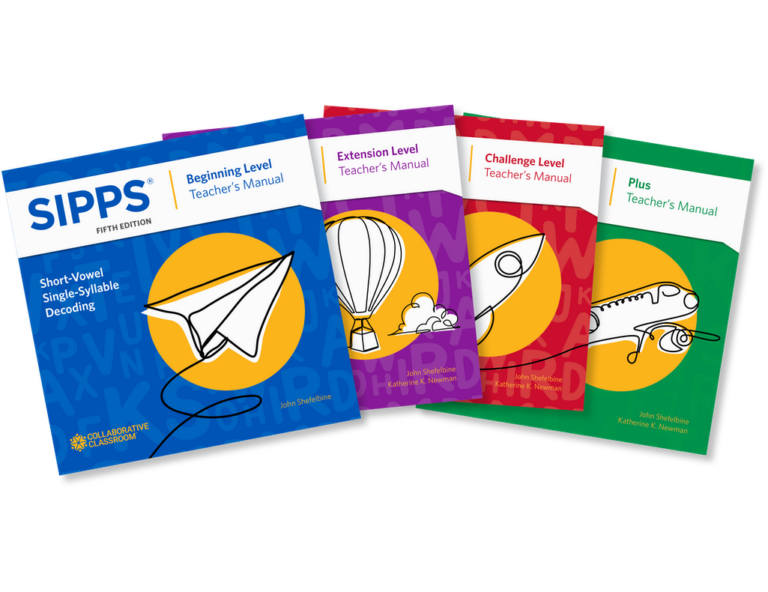
For students identified as needing additional support in developing decoding skills and fluency, SIPPS® offers lessons that follow an aligned scope and sequence, creating coherence for students moving between tiers.
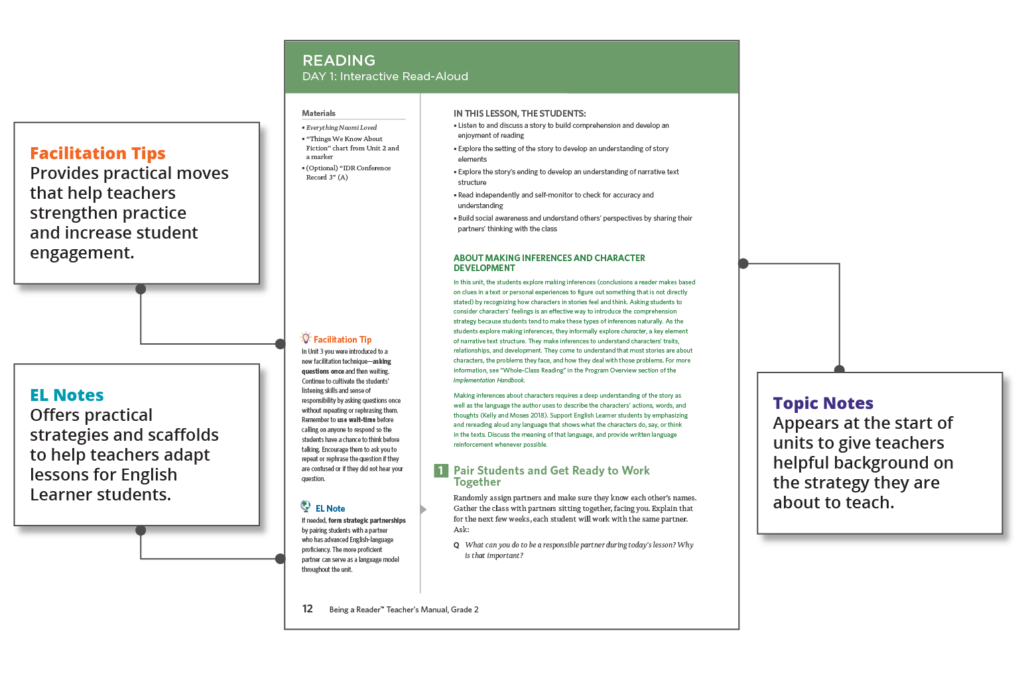
Embedded Teacher Notes and Instructional Support
Collaborative Literacy is an educative curriculum, constructed so that teachers expand their content knowledge and develop their pedagogical expertise every day as they engage with the program. Educators learn and deepen their practice as they teach. Take a closer look 🔍
Support for English Learner Students
Each grade’s Implementation Handbook includes specific recommendations to ensure English Learners access and succeed with grade-level content. Lessons also provide built-in EL support:
- EL margin notes with in-the-moment scaffolding suggestions
- Pre-teaching support to prepare students for confident participation
- Extensions to practice and deepen key strategies and concepts

Designated English Language Development (D-ELD)
Our D-ELD component builds English proficiency through rigorous, strategic instruction — connecting daily language lessons to core content so students can participate fully in grade-level learning.
High-Quality Fiction and Nonfiction Texts
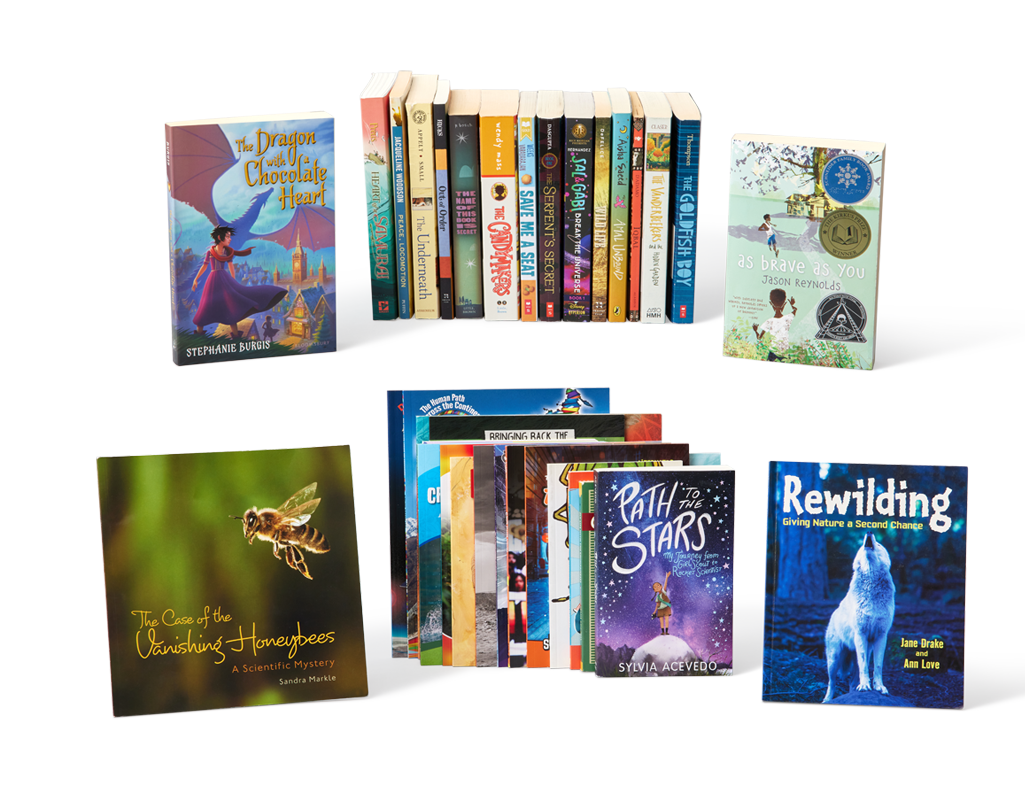
Our carefully curated collection of texts reflect a range of backgrounds, cultures, and perspectives — exposing students to rich language and the full range of human experience through time-tested favorites and new authors alike. These texts are used across:
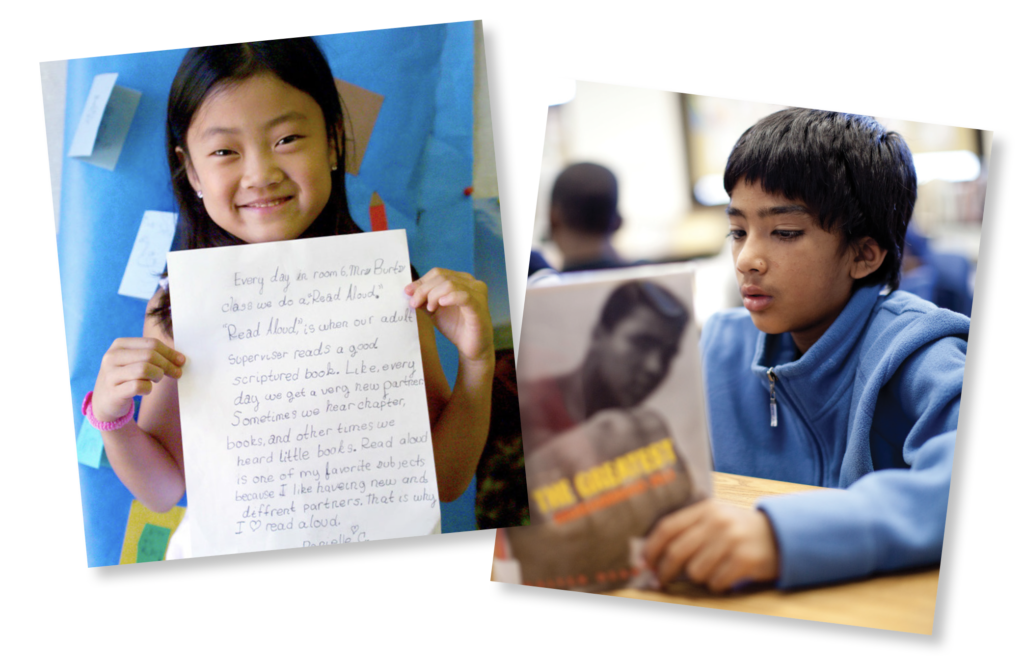
- Interactive read-alouds and mentor texts — whole-class texts that spark curiosity and discussion, and inspire young writers
- Small-group instruction — decodables and tradebooks matched to students’ levels to build foundational skills and fluency
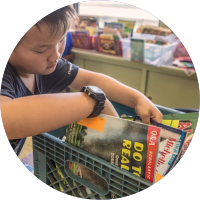
- Individualized Daily Reading (IDR) library — level-appropriate independent reading choices that foster reading identity and a lasting love of books
- Digital Article Library — 24 nonfiction articles at each grade level that build on topics introduced in whole-class lessons
View the texts in Being a Reader and Being a Writer.
IDR Library Essentials Collection
For additional books for a classroom’s library, the optional IDR Library: Essential Collection includes 120 titles per grade—over 30 tied to unit topics—making it easy to provide engaging texts that match students’ interests, appeal to their curiosity, and build knowledge.
Explicit Instruction for Social Development
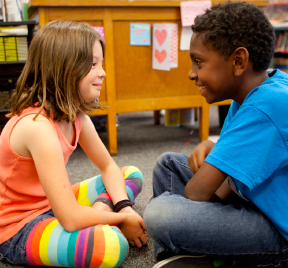
Students learn best when they feel safe, valued, and connected. Collaborative Literacy weaves social skills into literacy instruction, helping students practice cooperation, empathy, and respect while engaging with text.
Through explicit lessons and guided discussion prompts, students learn to listen, speak, work together, resolve conflicts, and reflect on their interactions—building the relationships and skills essential for deeper thinking and successful learning.
An AI Assistant, Just a Click Away
CC AI Assistant is a personalized support tool included with Collaborative Literacy and trained exclusively on Collaborative Classroom’s content to give teachers accurate, reliable answers whenever they need them. Whether troubleshooting a lesson or supporting a struggling reader, help is just a click away.
I love getting immediate, accurate answers that help me move forward quickly. Being able to ask follow-up questions gives me even more clarity when I need it. It is a fantastic experience!
Kristy Nelson, Elementary Instructional Coach
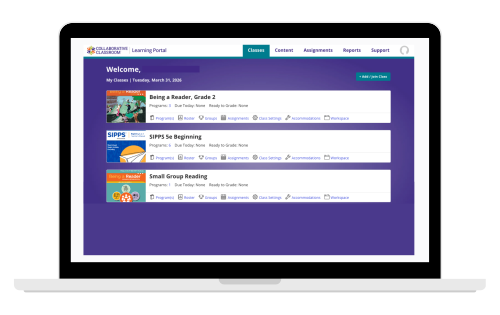
The Learning Portal
For Teachers
- Manage Program Resources: Access all your teaching materials and digital tools in one organized location.
- Simplify Prep Work: Download and print student consumables, worksheets, and reproducibles with a single click.
- Go Paperless: Build, assign, and grade digital assessments that provide instant feedback for your students.
- Stay Informed: Receive real-time updates on instructional pacing, curriculum news, and teaching tips.
For Leaders
- Ensure Curriculum Fidelity: Gain full visibility into how program resources are being utilized across your school or district.
- Drive Data-Informed Growth: Access high-level assessment reports to track student progress and identify areas for intervention.
- Streamline Communication: Instantly broadcast instructional updates and pacing notifications to ensure all classrooms remain aligned.
- Optimize Operations: Reduce printing costs and administrative overhead with centralized, paperless workflows and reporting.
Professional Learning
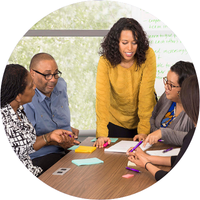
At Collaborative Classroom, we know that how we teach matters as much as what we teach. Our curricula and professional learning empower educators to take charge of instruction and learning through embedded and digital resources, along with a variety of professional learning pathways designed to fit any schedule.
One-on-One Virtual Professional Learning
Collaborative Coach pairs individual educators with their own expert coach for fully personalized, program-specific professional learning.
Through a flexible, video-based cycle of 1:1 learning with their coach, each educator deepens their teaching practice and grows their understanding of the Collaborative Classroom curriculum they are implementing in a safe and supportive environment.

Custom Professional Learning
To meet your organization’s unique needs, we offer custom professional learning plans that weave together a variety of formats to achieve your implementation goals. When shaping your plan, we consider your available time, funding, and resources alongside short- and long-term instructional priorities, who will be involved and how they’re supported, educators’ prior professional learning experiences, and any relevant technology considerations.
Research Briefs and Success Stories
North Rose-Wolcott Elementary: Building Strong Readers with Collaborative Literacy and SIPPS
This brief highlights the positive impact of Collaborative Literacy and SIPPS at North Rose-Wolcott Elementary. The school has seen improved reading proficiency, gains in phonemic awareness and comprehension, a 15-point rise in ORF benchmarks (grades 1–4), and a 169% increase in students in grades 2–4 performing at or above grade level.

How Lyons Central School District is Investing in Instructional Coherence
What happens when a district purposely invests in instructional coherence, with aligned PreK–grade 5 curricula and professional learning? Lyons Central School District in New York State is demonstrating the benefits of coherence via its implementation of multiple Collaborative Classroom curricula.
Program Add-ons and Alignment Across K–12
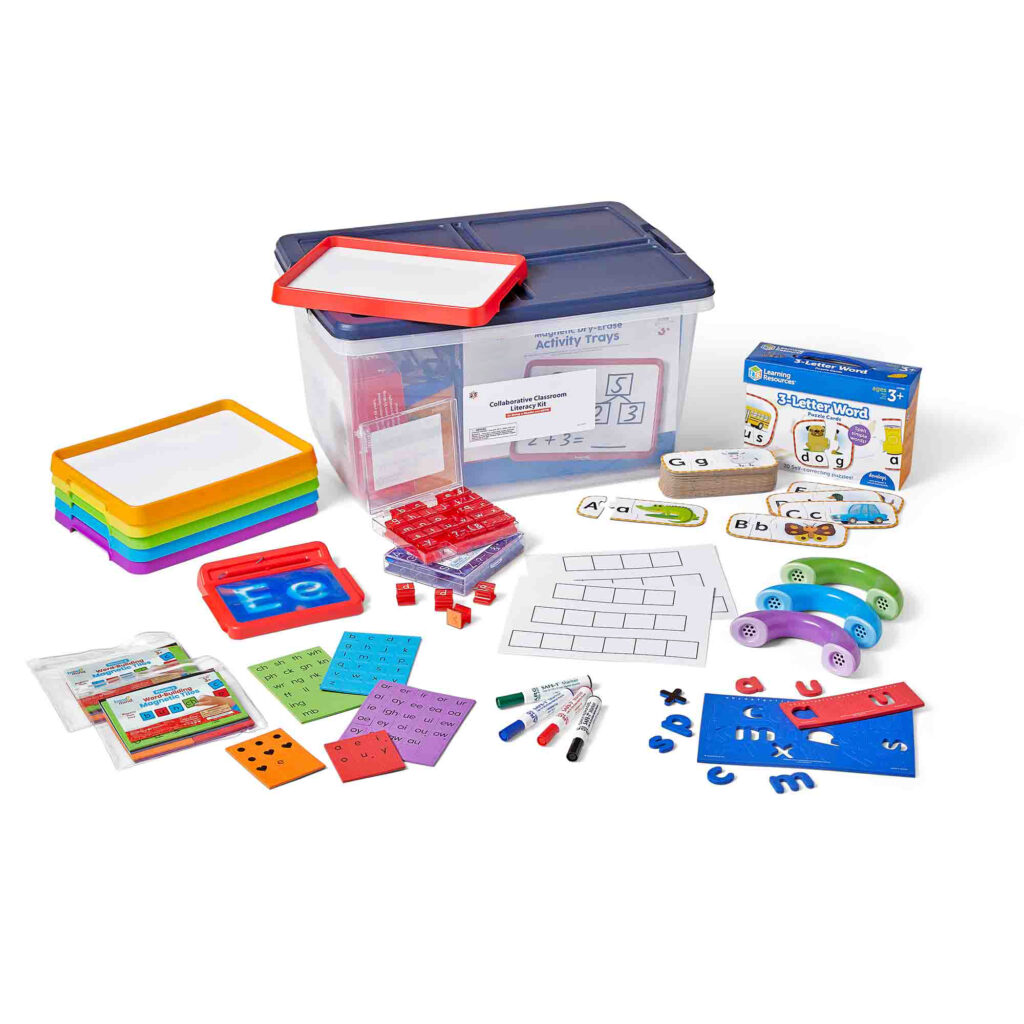
Collaborative Classroom Literacy Kit (K–3)
Supplemental manipulatives kit to support engaging, hands-on, instructionally aligned independent work. Each kit supports up to six students.
SIPPS for Aligned Intervention
With SIPPS® both new and striving readers quickly develop the accuracy and automaticity needed for fluent, independent reading. Nationally recognized and evidence-based, SIPPS is a powerful supplement in any literacy block.
Individualized Daily Reading (IDR) Essential Collection
For additional books for a classroom’s library, the optional IDR Library: Essential Collection includes 120 titles per grade—over 30 tied to unit topics—making it easy to provide engaging texts that match students’ interests, appeal to curiosity, and build knowledge.
Aligned Early Literacy Instruction
Whether you’re looking for a complete curriculum for 3- and 4-year-olds, a targeted literacy program, or professional learning to empower your educators, our proven offerings support joyful learning and strong outcomes for early childhood.
Pilot Collaborative Literacy in Your School
Learn about piloting the Collaborative Literacy curriculum in your school or district.