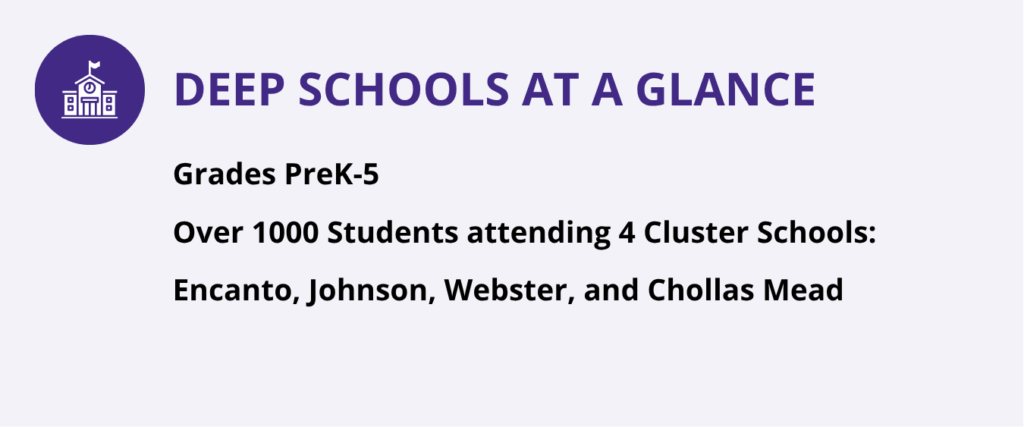
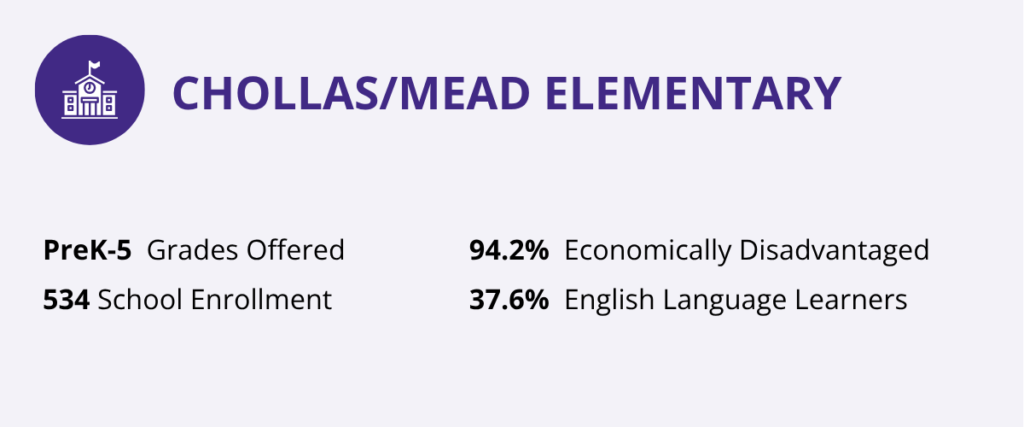
Southeastern San Diego’s Diamond Educational Excellence Partnership (DEEP) currently partners with school leaders and staff at four San Diego Unified School District (SDUSD) Lincoln Cluster schools to strengthen Tier 1 literacy instruction and expand coaching, professional learning, and small group literacy tutoring.
Although some of their partner schools have implemented SIPPS® for 10 years, not all educators/tutors were fully trained in the program. Partnering with San Diego State University’s Department of Speech, Language, and Hearing Sciences, newly trained SIPPS practitioners (known as Literacy Liberators) are now working with small groups of children for greater impact.
Babak Movahed, Manager of Educational Partnerships in Southern California, spoke with DEEP Executive Director Allison Ohle about how SIPPS, the Literacy Liberator model, and school system buy-in are working together to increase literacy rates for students.
What is the Literacy Liberator tutoring program?
The Literacy Liberators (LLs) were pioneered by the good people at Oakland REACH, under the leadership of Lakisha Young. The program started there as a parent-powered initiative, recruiting and training family members in SIPPS to enter Oakland Unified School District classrooms to provide small-group phonics instruction in a data-driven way.
We learned from them. We put the tutoring program in place in our partner schools at San Diego Unified School District by partnering with San Diego State University’s Department of Speech, Language, and Hearing Sciences. There isn’t funding for stipends, but these undergrads earn course credit.
What was the impetus for engaging Literacy Liberators?
I was talking to teachers last summer and one of them said, “We know how to administer assessments—we do it. We know where the kids are instructionally. We know how to teach the content they need. [The problem is] there are simply not enough hands on deck to break the class into the separate groups [necessary to] meet each group’s needs on a regular basis.”
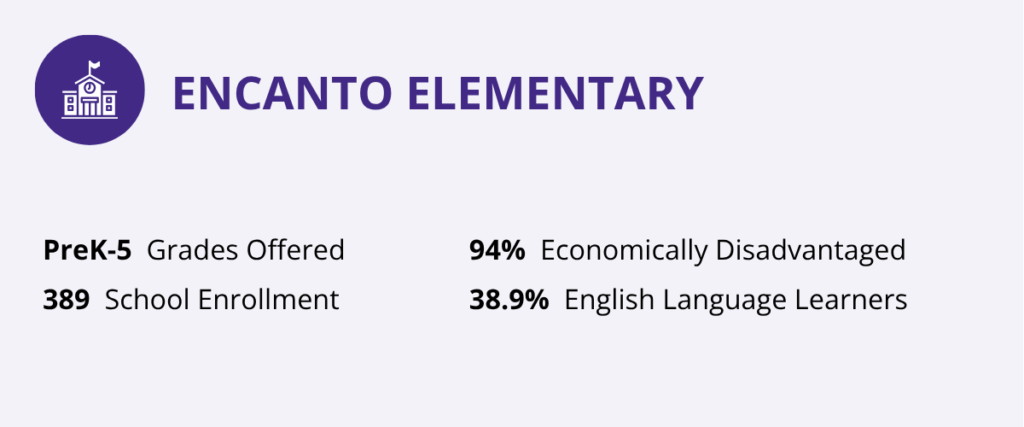
100 percent of my students are English learners. It’s been amazing to have the liberators in my classroom. There’s no way that one person can make a difference with 25 students with at least ten of them at a kindergarten level in third grade. —Camille Woods-Tynes, Encanto Elementary Teacher, Grade 3
How long have you been with DEEP and what brought you to this position?
I’ve been with Diamond Educational Excellence Partnership (DEEP) for three years. I’ve been an education changemaker for almost 30 years. I started in a South Bronx classroom and have learned a lot along the way.
It’s a complicated web, but one thing that should not be elusive or intractable is solving the literacy crisis. It’s not mysterious; we know how learners learn to read. The system—and the gaps in it—are the problem. DEEP is the missing piece, designed to fill the gaps in some of our most vulnerable schools. I’m inspired every day.
What are the specific challenges DEEP wants to address? How are you addressing those challenges?
The literacy crisis is solvable. In our view, the barriers are a lack of alignment, a lack of resources, and a lack of accountability. We employ a holistic approach in our partner schools to build up each of these: empowering families to understand how and why early literacy can be supported, supporting educators with professional learning and ongoing support in evidence-based literacy instruction, and providing additional support in classrooms and homes to ensure that kids are getting what they need when they need it in order to be able to read to learn as soon as possible.
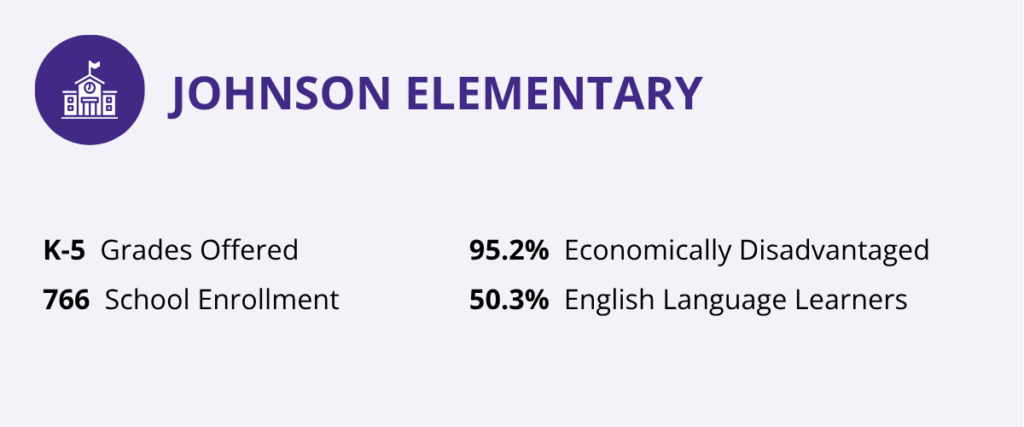
“We’re having groups no larger than five. Most groups have about three students in them. So there’s 45 minutes to an hour of specialized phonics instruction. They’re getting almost one-on-one training with these Literacy Liberators. It’s helped my students immensely.” —Kim Barnes, Literacy Acceleration Coach at Johnson Elementary
Why did DEEP choose to implement SIPPS in your partner schools? What challenges or goals are being addressed with the SIPPS program?
SIPPS is aligned with the language and [literacy] approach we’re already championing. It’s aligned with the Shefelbine model that guides the professional learning we provide our partner schools. This is done in collaboration with the California Reading & Literature Project. It is educative, so the teacher learns more about the content as they implement the curriculum. The every-10-lesson mastery check—informing the decision to reteach or move on—reinforces the value of data-driven instruction on a daily/weekly basis.
How long has DEEP been implementing SIPPS? Tell us a little about how the implementation is going.
It varies by school. Some of our partner schools have been implementing SIPPS for 10 years, others only in the last five. Some had been fully trained, while others hadn’t. Teacher turnover was a factor, as was budgetary constraint. Being able to train the Literacy Liberators and have them push into classrooms has been a rising tide that has lifted all boats. For example, the classroom teachers are “upping their game” with newly SIPPS-trained practitioners in the room. Also, they are able to work more intentionally with their small groups because the class has been split up to work with the Literacy Liberators.
What do coaches and educators at the schools appreciate about SIPPS? What do they appreciate about the Literacy Liberators’ implementation of SIPPS with their students?
At our end-of-year Literacy Liberator celebration a couple of weeks ago, I asked one of the classroom teachers what she thought about having Literacy Liberators in her classroom. Her face lit up. She said, “It’s like someone is finally listening to us!”
What have you noticed about students’ learning and engagement? What have teachers noticed? If you have an anecdote, please share!
Teachers report that kids are coming to school more often and they’re excited to see their Literacy Liberator—[who is,] of course, a cool, young, college girl [student] coming to their classroom!—but also, they’re being instructed within their zone of proximal development, so going to those small groups feels good and builds confidence!
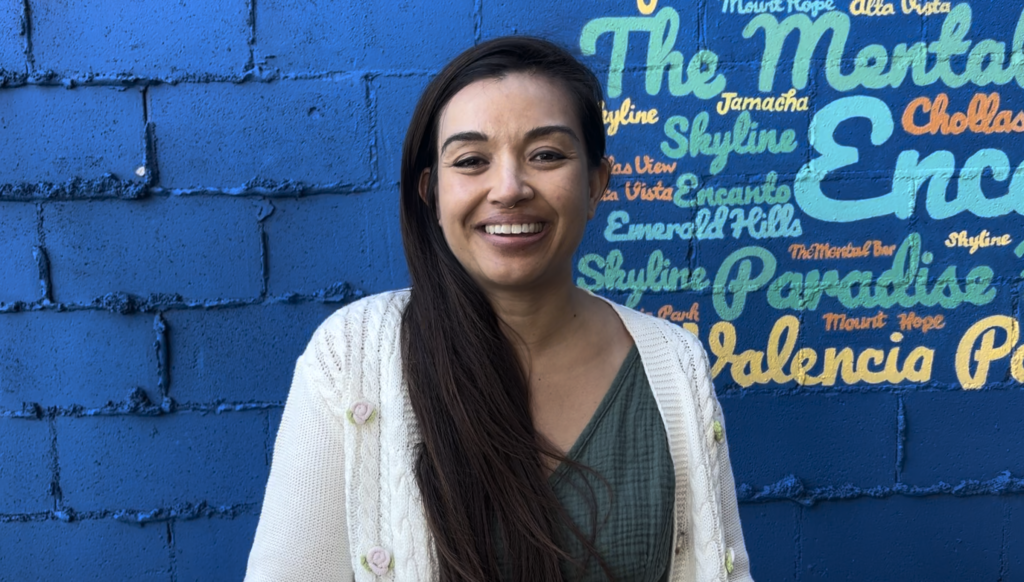
“Starting the program, I didn’t know what I was getting myself into. I thought it would just be teaching kids how to read, but I’ve realized it’s more than that. It’s about connecting with them and facilitating a relationship with them, and then just making them feel seen and letting them know that they are strong and they’re smart and they’re supported.” —Chris Mendoza, Literacy Liberator
Could you speak to the level of support and professional learning you’ve received from Collaborative Classroom? Is there anything about the partnership you’d specifically call out?
Our trainer was wonderful, and made herself available to our LLs and our school-based coaches after the training was over. The Collaborative Classroom team invited me to think aloud about the implementation and look at our data together. This is all an iterative process.
What thoughts or insights would you have for others replicating the Literacy Liberators model?
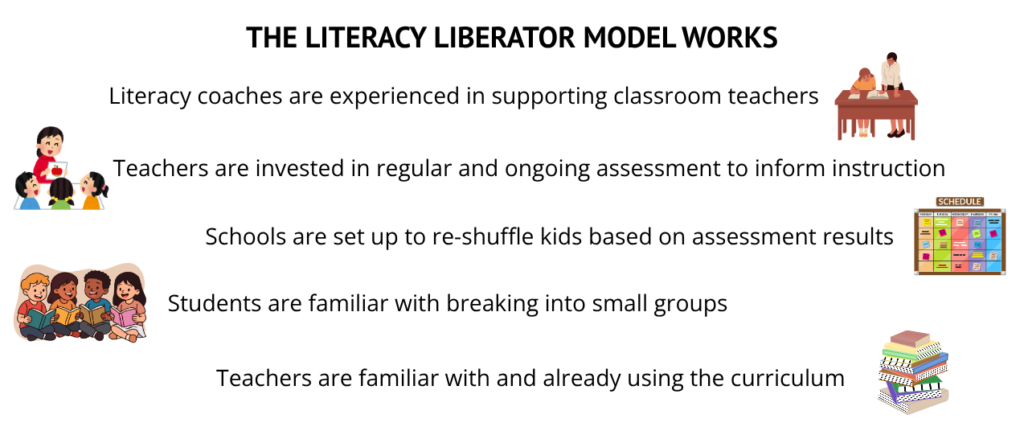
The Literacy Liberator model works because it sits on top of a strong foundation. You can’t just train tutors in SIPPS and push them into classrooms and get results. It works in our context because the teachers are already using the curriculum. The kids are already familiar with breaking into small groups. The schools are already set up to adjust the schedules to re-shuffle kids based on assessment results. The teachers are already invested in the idea that regular assessment informs the instruction of specific skills, with an ongoing need to reassess. The literacy coaches are experienced in supporting classroom teachers in this way.
What thoughts or insights would you share with a school or district that’s considering SIPPS?
It’s a commitment, but it’s worth it. Absolute criteria for success include:
- School leader buy-in: they understand the importance of evidence-based practices/Science of Reading (i.e., structured and sequenced literacy instruction).
- Know that compromise is counterproductive—dare I say harmful?
- There is the will to support cycles of diagnose/teach/assess/repeat in small groups, and a commitment to look at and respond to the data regularly.
- There are resources or pathways to investing in the curricular materials and decodable texts.
- There is a clear understanding (or at least message) that phonics is necessary but insufficient on its own.
- Master scheduling should support the bi-weekly reshuffling of students based on mastery assessments as needed. Students may need to be distributed to small groups in different classrooms by assessed need for SIPPS instruction.
Allison Ohle
Executive Director, DEEP
Allison Ohle-Executive Director is the Executive Director of Southeastern San Diego’s Diamond Educational Excellence Partnership (DEEP).
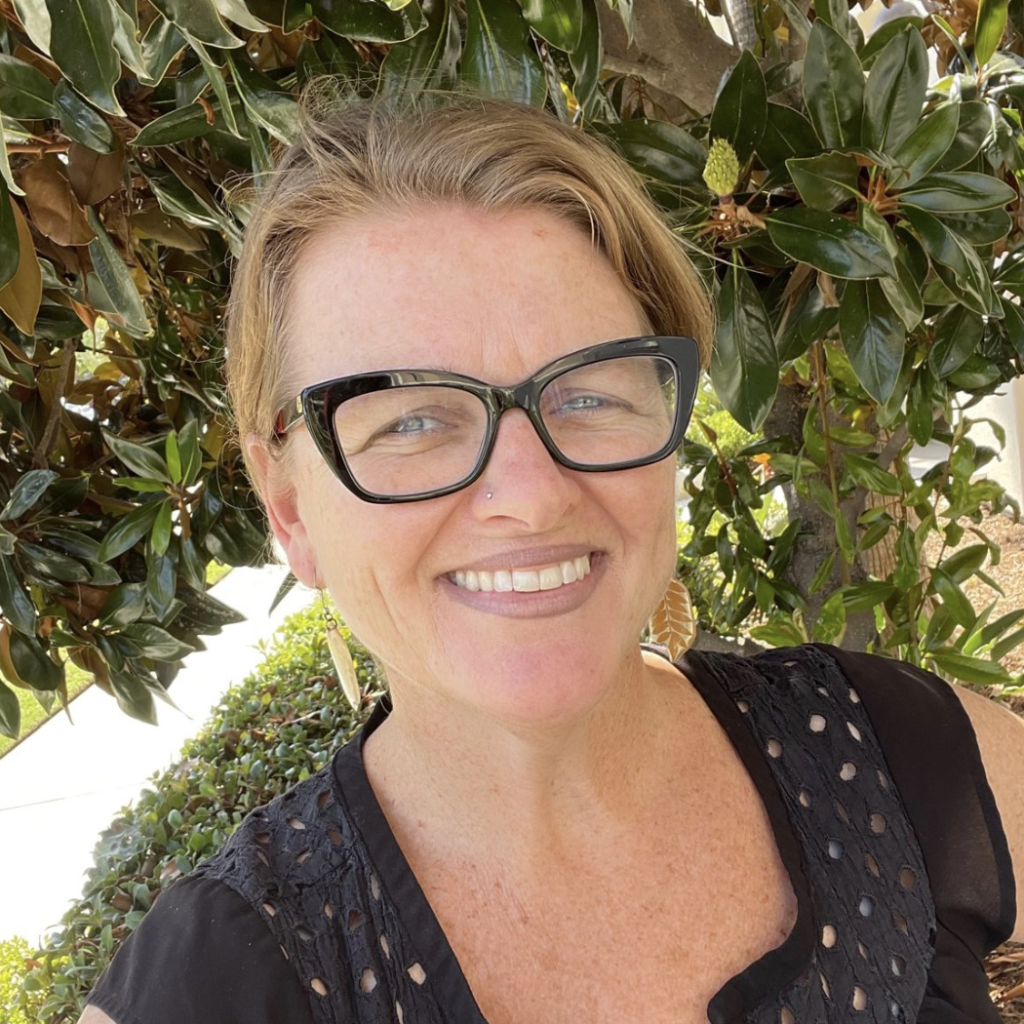
A passionate advocate for equity and a pragmatic leader, Allison is a first-generation college graduate with a Bachelor’s in Psychology from UC Santa Cruz and a Master’s in Public Policy from the Harvard Kennedy School. It was her earlier work as a Teach for America corps member in New York City’s public schools and a founding teacher at KIPP Bridge College Prep in Oakland, California, that led Allison to graduate study: frustrated by the limited impact of one school, she set out to learn how to think about the success and scalability of thriving systems.
Allison’s work is rooted in the recognition that talent is equally distributed, but opportunity is not. She leads with authenticity and seeks practical solutions to one of our most challenging problems: ensuring that high-quality opportunities are available to all communities. Formerly a Senior Leader at High Tech High and the Founding Executive Director of KIPP San Diego, Allison has broad experience driving strategy, designing systems, and building teams. Allison’s role at DEEP is to build on the success and strength of the organization’s last 10 years to deepen the impact of the research-based theory of change that drives that work. Never afraid of hard decisions or discomfort, she seeks to build frameworks and adjust mindsets so that public education and democracy can deliver on its promise.
Related:
GB Magazine: DEEP San Diego Obsessed with the Literacy Crisis
The Brilliance of SIPPS Author, the Late Dr. John Shefelbine
SIPPS for Tutoring, Summer School, and Expanded Learning