Instructionally Coherent, Evidence-Based Programs from Early Literacy to Grade 5
Building Literacy, Knowledge, and Lifelong Learners
Discover how our programs create a seamless instructional journey from Transitional Kindergarten to Grade 5 to ensure every California student grows as a proficient reader and writer, independent thinker, and lifelong builder of knowledge. Evidence-based and aligned with state standards.
Aligned with CA Literacy Priorities
California requires that districts select evidence-based curricula, align practices with literacy science, and create a comprehensive road map. Collaborative Classroom offers proven literacy curricula that ensure California educators successfully meet state priorities.
| Instructional Focus | California Literacy Priorities | Collaborative Classroom Curricula |
| Foundational Reading (K–3) | Evidence-based, explicit instruction in phonics, phonemic awareness, fluency, vocabulary. | Being a Reader (core reading); SIPPS (aligned intervention) |
| Reading Intervention (4–12) | Evidence-based, explicit, systematic, and accelerative instruction for older readers with foundational skills gaps. | SIPPS (age-appropriate foundational skills intervention) |
| Comprehensive Writing (K–5) | Evidence-based core writing instruction that integrates process, genre, craft, and grammar instruction. | Being a Writer (core writing) |
| Comprehension, Oral Language, Vocabulary, Writing, and Knowledge Building | High-quality, systematic instruction dedicated to comprehension, oral language, vocabulary, writing, and knowledge-building. | Collaborative Literacy (comprising Being a Reader and Being a Writer) |
| Multilingual Learner and English Learner Support | MLL- and EL-identified students fully engage in grade-level content. Asset-based Designated-ELD (D-ELD) instruction amplifies and accelerates. | Collaborative Literacy (comprising Being a Reader and Being a Writer); D-ELD component of Being a Reader |
| Early Literacy for Transitional Kindergarten (TK) | Evidence-based early literacy instruction that prepares young children for kindergarten success. | Pinecone Path (TK literacy); Every Child Ready (Preschool and TK; multi-domain) |
| Professional Learning | Equip educators with the knowledge to teach evidence-based literacy practices. | Collaborative Classroom Professional Learning Plans |
Trusted by California Leaders
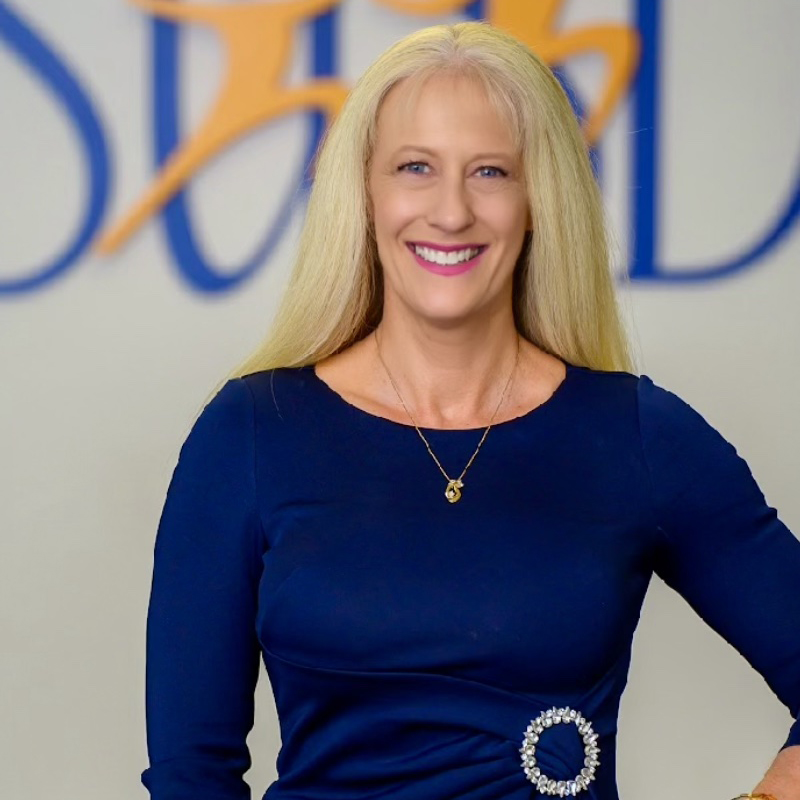
We’re seeing dramatic change here. We had some teachers who didn’t believe their first graders could read at the level that they are, and now they can see it.
Dr. Michelle Rodriguez, Superintendent, Stockton Unified School District (Read the Interview)
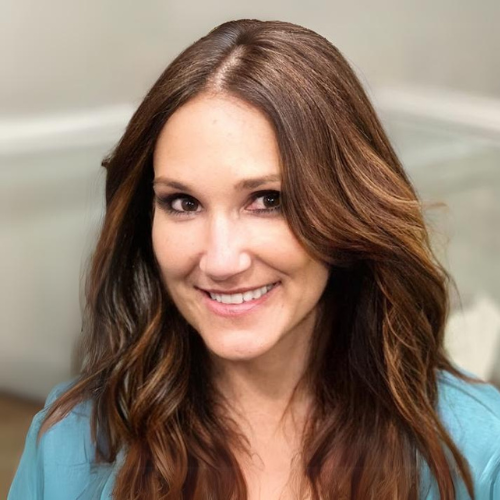
Collaborative Classroom’s programs continue to be integral to our work moving forward. Their curricula equalize the field of learning for our students… We are grateful for our long-term partnership. Long after the purchase of a program, Collaborative Classroom is there supporting us.
Kim Title, Principal and Head of School, Bel Aire Park Magnet School, CA (Read the Interview)
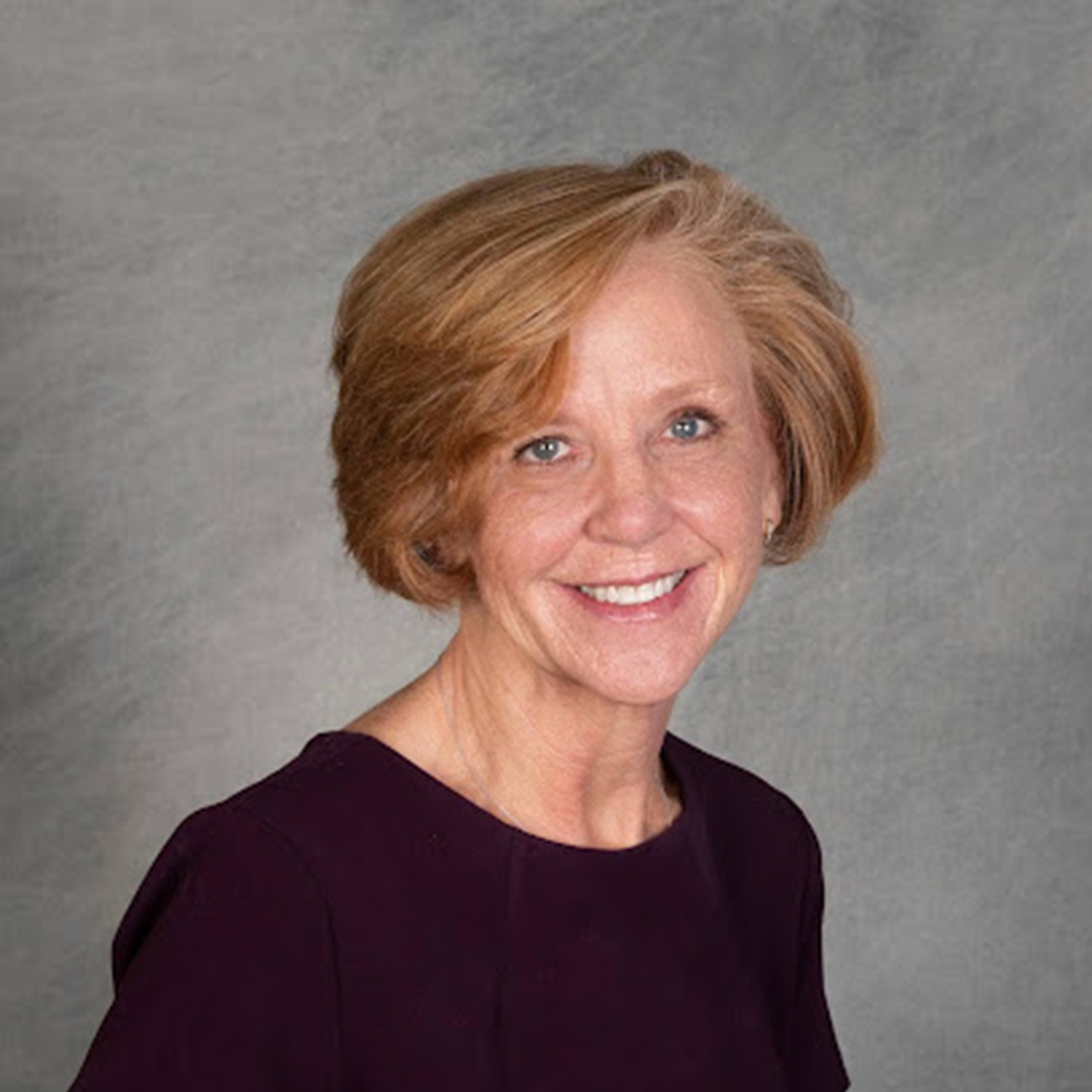
The responsiveness of Collaborative Classroom representatives is key to making sure my team is successful. Even veteran educators need guidance at times, and the Collaborative Classroom team is able to step in beside me to ensure that teachers with all levels of experience have the resources and collaboration necessary to provide the kids with what they need.
Louise Simson, Superintendent, Mark Twain Union Elementary School District, Calaveras County (Read the Interview)
A Coherent Instructional Journey from TK to Grade 5, and Beyond


TK Early Learning Solutions
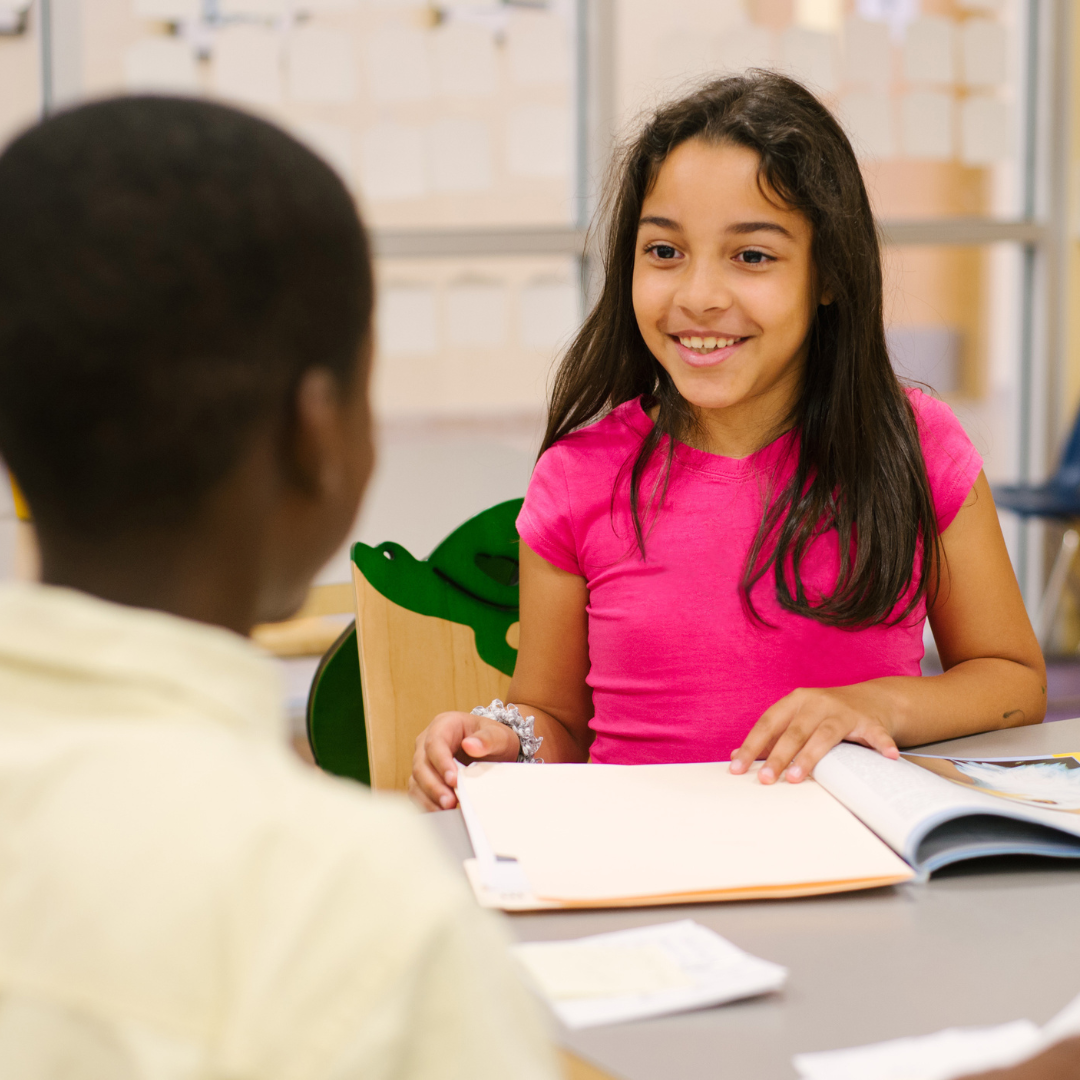
K–5 Reading, Writing, Knowledge Building
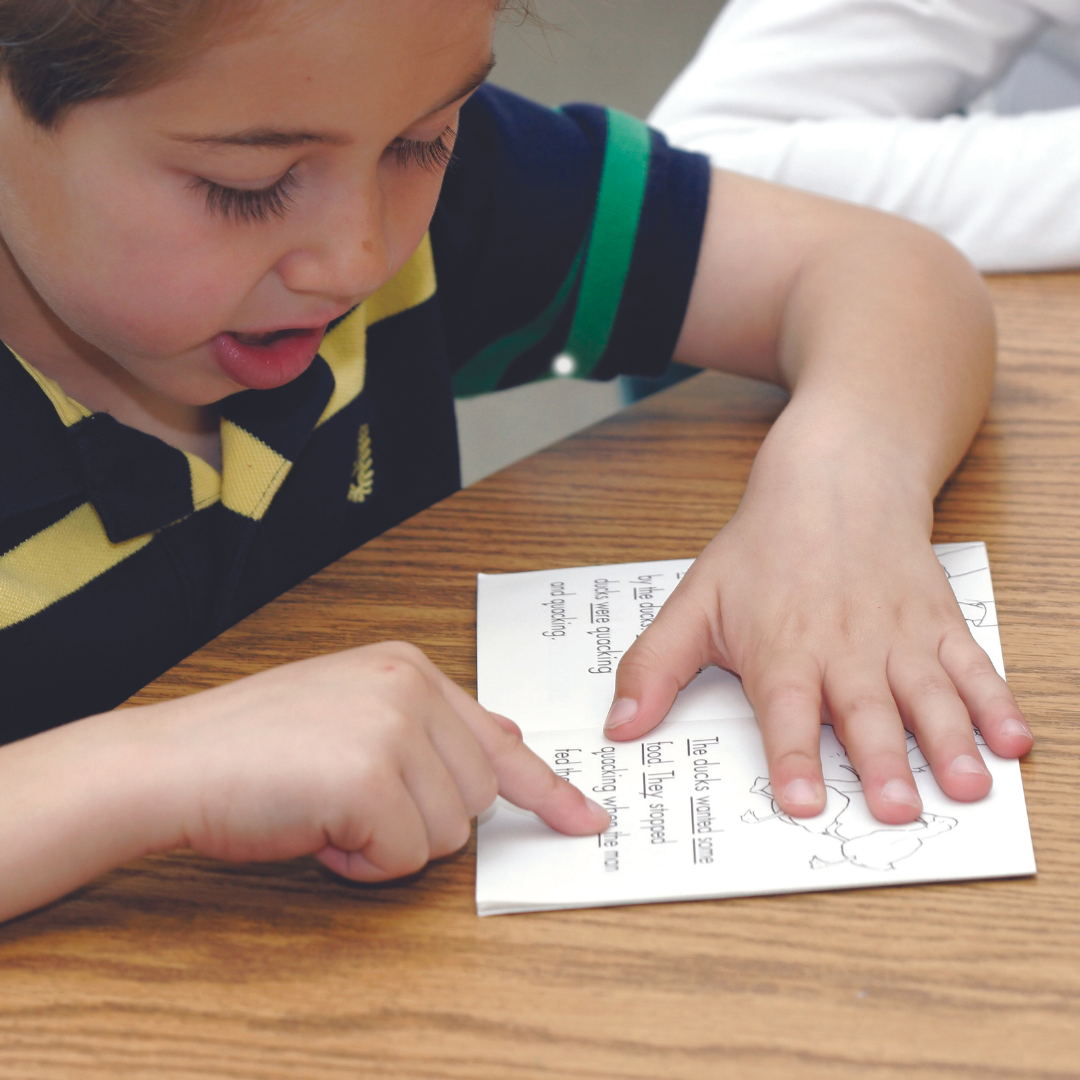
Aligned Reading Intervention
Early Learning Solutions for Every Classroom
We offer flexible, developmentally appropriate, and play-rich early childhood learning solutions to meet your unique needs. All are instructionally aligned with our K–5 curricula, ensuring that rising kindergarteners enter elementary school primed for success.

Every Child Ready
Every Child Ready is a comprehensive, evidence-based curriculum for preschool and Transitional Kindergarten that offers differentiated instruction, purposeful play, robust assessments, and family engagement resources. Available in Spanish and English. Explore Every Child Ready
Pinecone Path
Pinecone Path is a year-long literacy curriculum for Transitional Kindergarten. This research-based program teaches early literacy, oral language, executive functioning, and social skills through a combination of playful learning and explicit instruction. Explore Pinecone Path
SEEDS of Learning
A professional learning framework for adults who teach children ages 3–5, SEEDS strengthens any early childhood program, empowering adults with the knowledge to embed sensitive relationships in every interaction and develop children’s oral language, literacy, social skills, and self-regulation skills. Explore SEEDS of Learning
A Complete K–5 Reading and Writing Curriculum, Seamlessly Connected
Collaborative Literacy
There’s an undeniable reciprocity between reading and writing. For this reason, Collaborative Literacy comprises two dynamic programs—Being a Reader™ and Being a Writer™.
While each program can be taught on its own, when used together as Collaborative Literacy, they create a deep connection between reading and writing—developing fluent, competent, and independent readers and writers. Explore Collaborative Literacy
Reviewed by The Reading League!
Learn about the curriculum’s strong alignment with the Science of Reading.
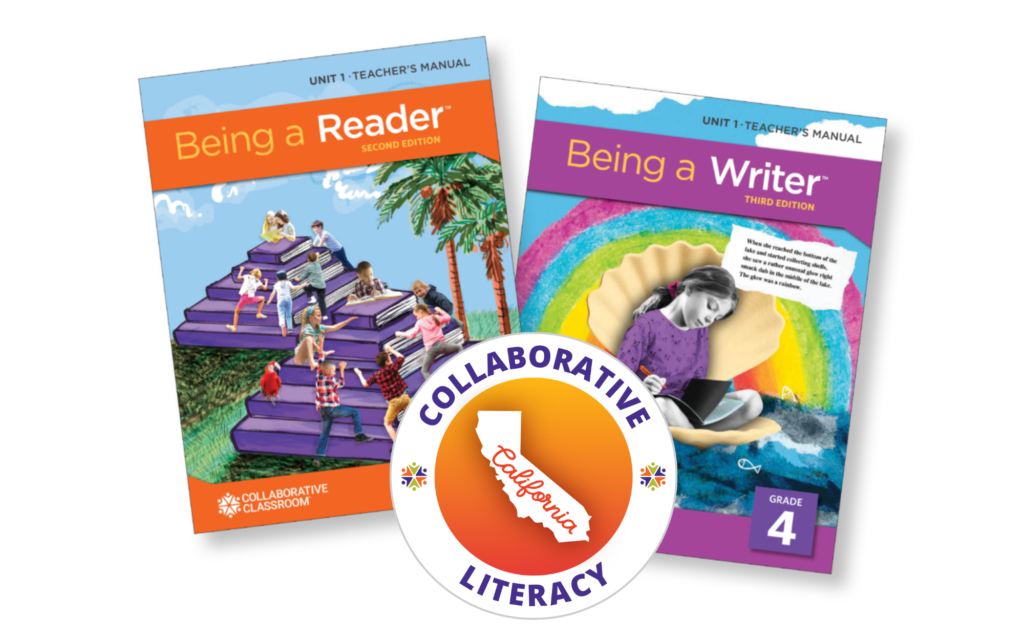
Being a Reader™
- Differentiates and teaches phonics and foundational skills to mastery
- Develops comprehension, fluency, vocabulary, and independent thinking
- Uses open-ended questions and facilitated discussions to deepen understanding
- Provides daily time and support for reading whole books and articles
- Explore Being a Reader
Being a Writer™
- Provides student-centered writing instruction in process, genres, and craft
- Teaches grammar skills and conventions in context
- Uses collaboration and peer feedback to foster an engaged writing community
- Includes time in each lesson for students to apply skills through independent writing
- Improves writing fluency
- Explore Being a Writer
Get a 15-minute overview of Collaborative Literacy for California

[Collaborative Literacy is] paying off in terms of how much easier it is for students to make progress. As a result, teachers are better able to identify gaps, and we’ve improved how we differentiate instruction.
Patrick Chapman, Assistant Principal, Destiny Christian Academy, Sacramento (Read the Interview)
I’ve noticed students are more comfortable in having conversations and discussions. They build upon, clarify, and confirm each other’s thinking all day. We were in the library and the librarian was reading us a story, and, after she was done, she was so impressed with the way students were engaging with the text… People who visit our classrooms comment on the high level of discourse, and how attentive students are to each other and to their community.
Ellie Garcia, Educator, Lime Street Elementary, Hesperia (Read the Interview)
Collaborative Literacy is grounded in research-based practices, including structured routines, gradual release of responsibility, and collaborative discussion… Collaborative Literacy doesn’t just pass a checklist; it earns the professional trust of our teachers through a rigorous vetting process that balances scientific research, collaborative practice, and complete and authentic classroom fit.
Alisha Ball, Interventionist, Spreckels Elementary, Spreckels (Read the Interview)
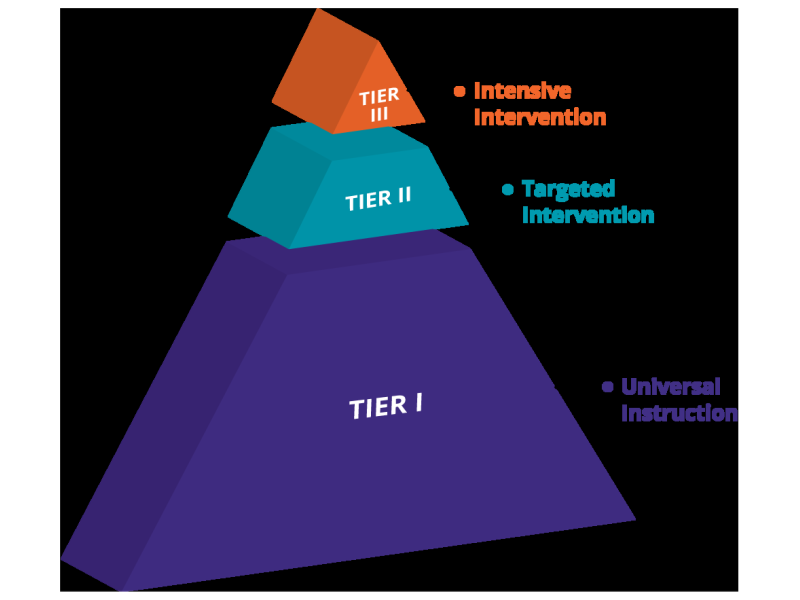
Aligned Foundational Skills Instruction for Tier II & III
The SIPPS intervention program follows the same scope and sequence as the core Being a Reader program, ensuring instructional coherence and a smooth transition for students moving between tiers.
SIPPS® (K–12)
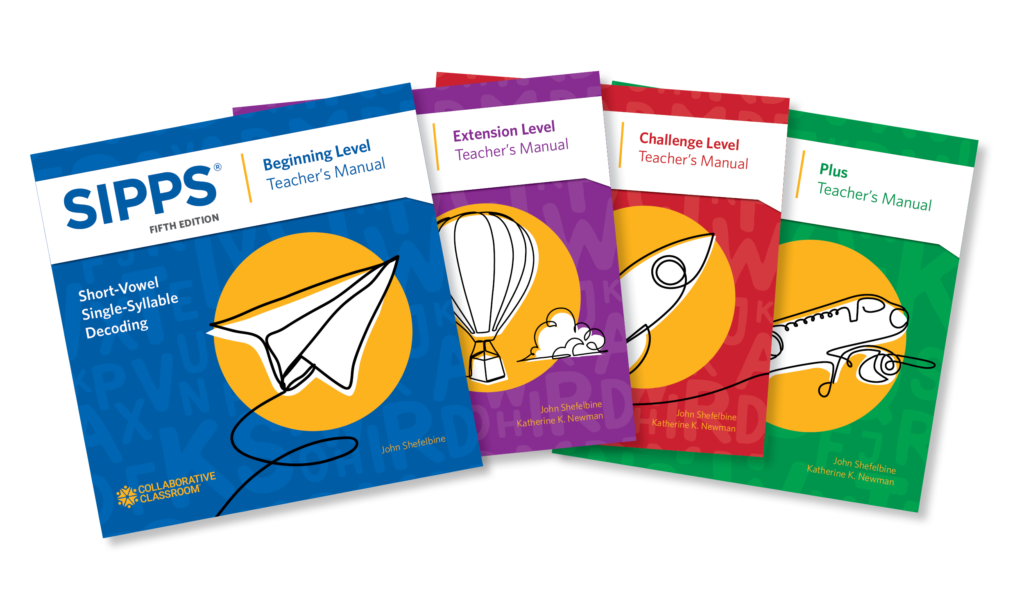
Designed to accelerate and solidify students’ mastery of foundational skills, SIPPS provides a structured-literacy approach to instruction through explicit, systematic routines focused on phonological awareness, spelling-sounds, and high-frequency words. Explore SIPPS
The impact was almost immediate. Reading scores soared—in the beginning of the year, only 18% of first graders were proficient or advanced in reading, but by midyear, 44% were. Among kindergartners, the percentage of students who were proficient or advanced nearly doubled.
Michael Rogers, Principal, Lockeford Elementary, Lodi Unified (Read the Article (EDSOURCE)
SIPPS addresses all of the reading foundational skills in a sequential and effective manner. Teachers can see results immediately with SIPPS, and they aren’t searching for different components in the curriculum, or trying to design effective teaching sequences on their own… Though the eight elementary schools in my district have tried several other programs, no other program has given us the consistent results that we have achieved through using SIPPS Beginning, Extension, and Challenge in our K–3 classrooms.
Chris Ann Horsley, Senior Director of Elementary Curriculum (retired), Bonita Unified (Read the Interview, and the Research Brief)
Our Approach
Beyond the Science of Reading
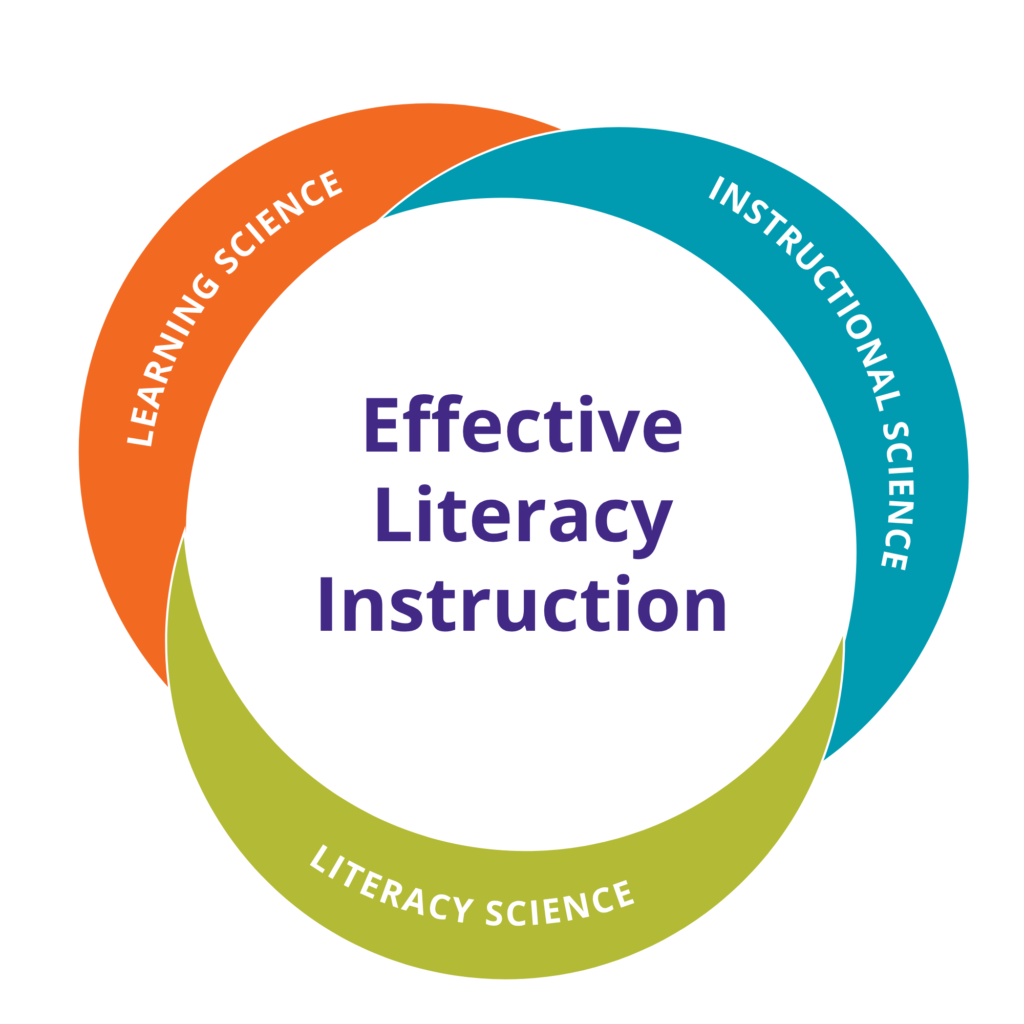
How we teach matters as much as what we teach. To achieve lasting success for our students, effective instruction requires the integration of three interrelated areas of research: literacy science, learning science, and instructional science.
- What we teach: We teach all components of literacy science.
- How we learn: We apply cognitive and learning science about how humans acquire and retain new knowledge and skills.
- How we instruct: We organize, sequence, and deliver instruction in ways that maximize learning.
Literacy Science
Our programs includes all of the essential instructional components for cultivating proficient readers and writers. Our approach is firmly rooted in the scientific research on how skilled reading and writing develop and their underlying processes.
Learning Science
Our instruction applies cognitive science to create an optimal environment for student learning. We use research-based practices to ensure students master and retain new learning and to create the conditions in which students feel engaged and supported to take the risks necessary for learning.
Instructional Science
We put instructional science into action. Grounded in the research on how effective teaching is designed, our programs translate that research into clear and actionable classroom practice by organizing, sequencing, and delivering instruction to support lasting learning.
Creating Curious Knowledge-Builders for Lifelong Learning
Our approach to knowledge isn’t about accumulating facts on pre-selected topics — it’s about developing the inquiry skills that let students build knowledge on their own, long after they leave our classrooms. Students:
- Dive into high-interest science and social studies topics with texts that build knowledge across grade levels
- Build the vocabulary skills, genre knowledge, comprehension strategies, and research skills to independently explore any topic
- Talk and write to clarify their thinking and deepen their learning
- Use the writing process to draft, revise, proofread, and publish pieces in the genres they studied as readers.
Wide Reading Fuels Bigger Thinking
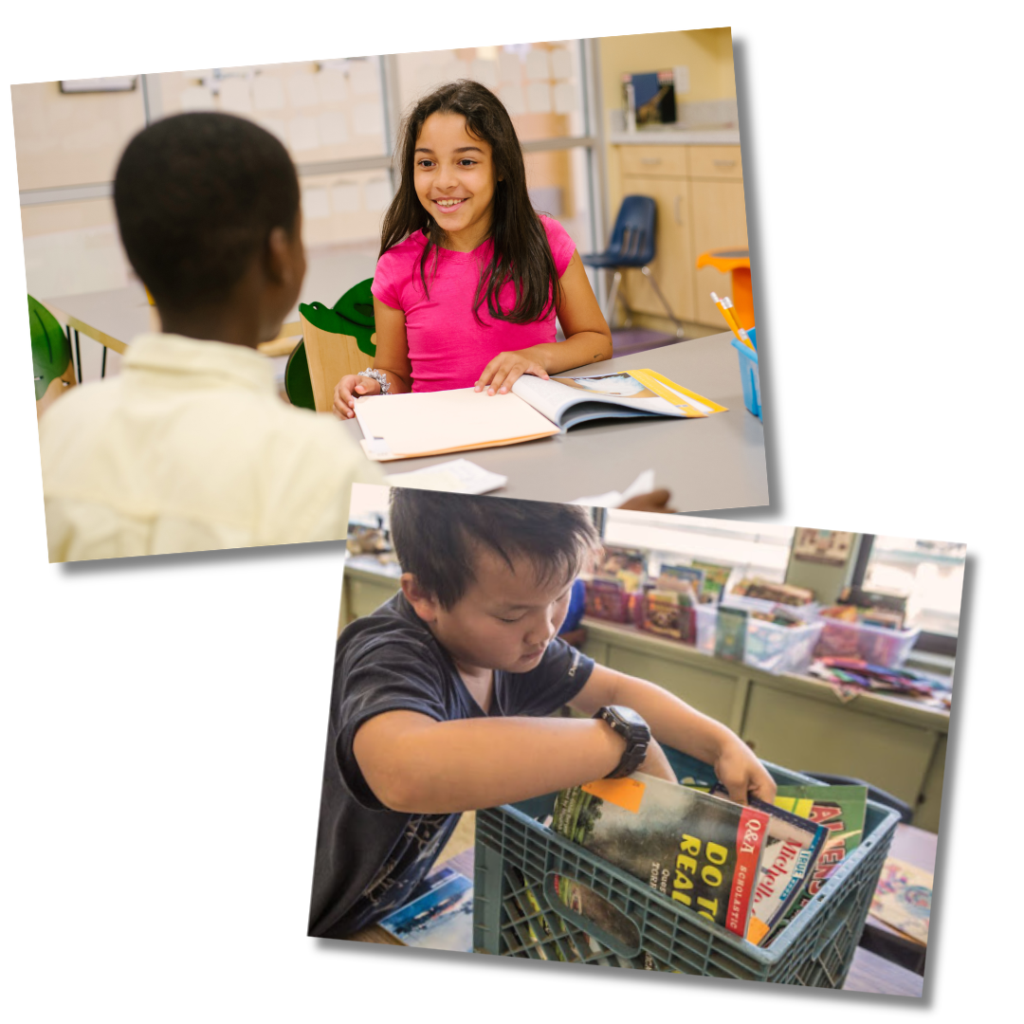
The more students read, the more they know — and the more they know, the better they read. Wide reading across authentic, whole texts exposes students to more ideas, more vocabulary, and more ways of making sense of the world. Over time, that breadth builds the background knowledge that makes every new text easier to unlock and every new question more interesting to chase.
Students Talk, Collaborate, and Learn Together
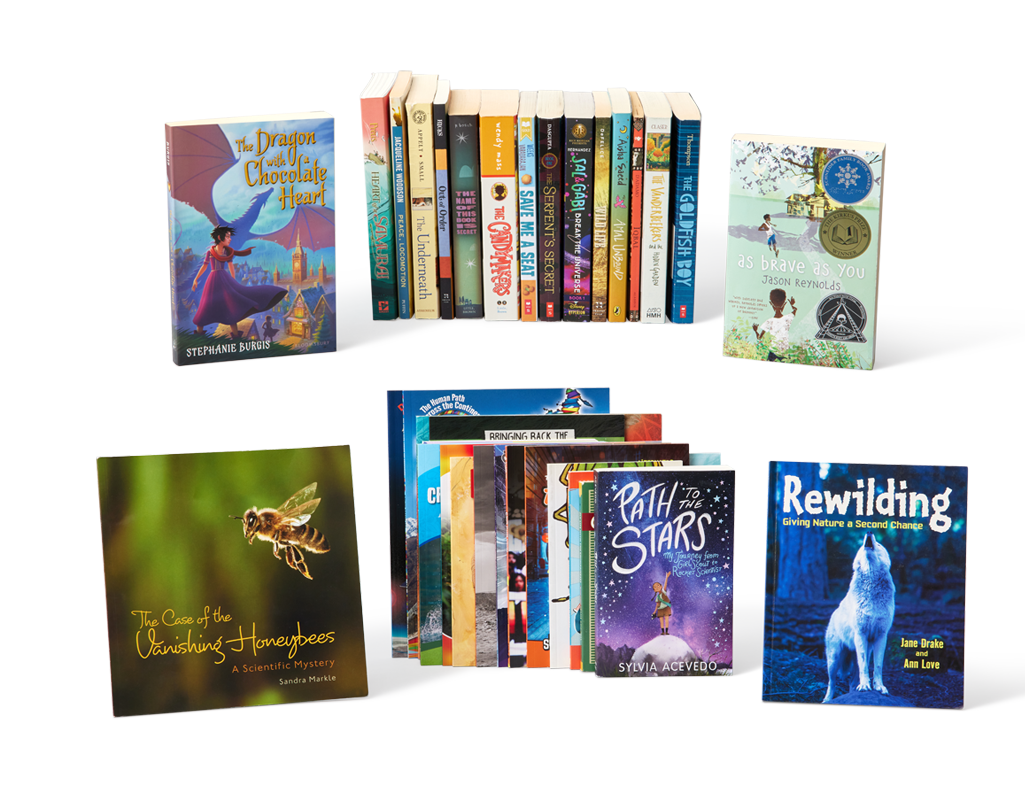
Great thinking happens out loud — but only when students feel supported in their learning community. When they can share an emerging idea, ask the uncertain question, or respectfully disagree without fear, the learning goes deeper.
That’s why we build social skills directly into literacy instruction. In every lesson, students practice listening actively, speaking confidently, and working through disagreement respectfully — building the habits that make real collaboration and deeper thinking possible.

English Learner Instruction that Amplifies and Accelerates
Our instruction is intentionally designed so identified English Learner students can fully access and participate in grade-level learning. Every lesson includes specific features and recommendations to ensure students can engage and succeed, including:
- EL teaching notes with in-the-moment scaffolding suggestions
- Pre-teaching support to prepare students for confident participation
- Extensions to practice and deepen key strategies and concepts
- A Designated ELD component in our core Being a Reader program builds English proficiency through rigorous, strategic instruction — tightly connecting daily language lessons to core content so students can participate fully in grade-level learning. Designed by trusted California ELD experts. Download Being a Reader ELD Component
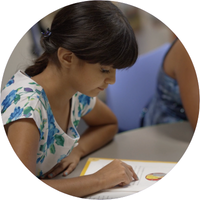
Designed for Teacher Learning
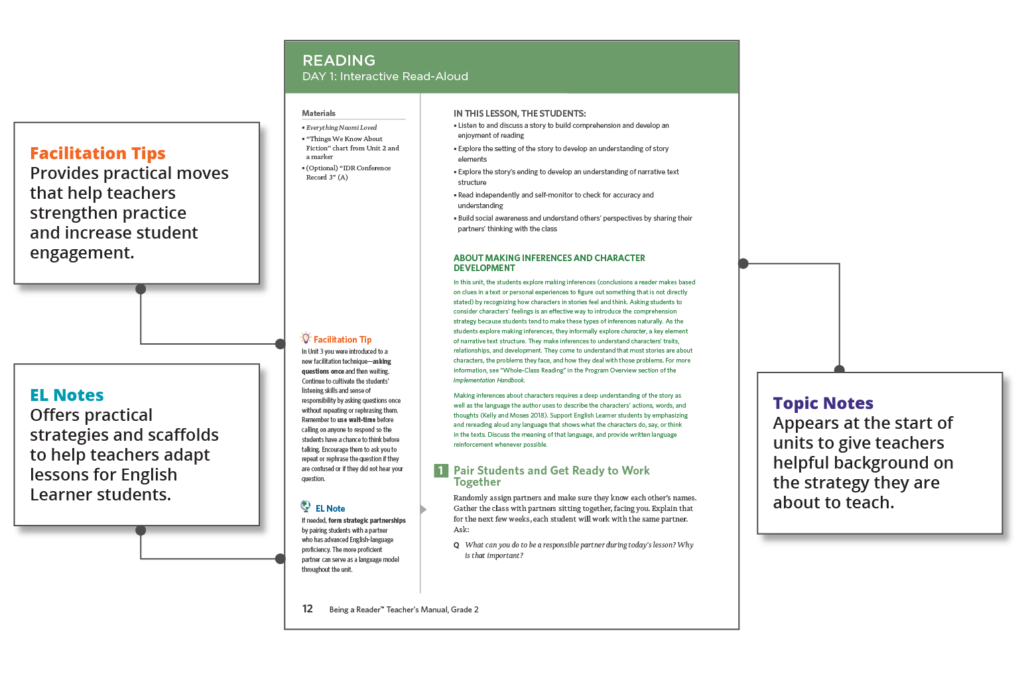
Our programs are educative: designed to support continuous teacher growth alongside student learning. They make instructional decisions visible and actionable, providing clear guidance, models, and supports that help teachers understand not just what to teach, but how and why it works.
This educative design is especially powerful when shifting to a Science of Reading–aligned approach. Built-in explanations, videos, examples, and a proprietary AI-powered assistant support educators in real time as they implement instruction with confidence and clarity.
With program-embedded daily support, teachers deepen their expertise and strengthen their instructional practice while delivering consistent, high-quality learning experiences for students.
Professional Learning That Drives Impact
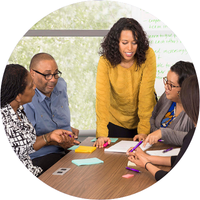
At Collaborative Classroom, we know that how we teach matters as much as what we teach. Our curricula and professional learning empower educators to take charge of instruction and learning through embedded and digital resources, along with a variety of professional learning pathways designed to fit any schedule.
One-on-One Virtual Coaching
Collaborative Coach pairs individual educators with their own expert human coach for fully personalized, program-specific professional learning.
Through a flexible, video-based cycle of 1:1 learning with their coach, each educator deepens their teaching practice and grows their understanding of the Collaborative Classroom curriculum they are implementing in a safe and supportive environment.

Custom Professional Learning
To meet your organization’s unique needs, we offer custom professional learning plans that weave together a variety of formats to achieve your implementation goals. When shaping your plan, we consider your available time, funding, and resources alongside short- and long-term instructional priorities, who will be involved and how they’re supported, educators’ prior PL experiences, and technology considerations.
Upcoming Events in California
San Joaquin ELA/ELD Instructional Materials Faire (Exhibitor)
San Diego ELA/ELD Instructional Materials Faire (Exhibitor)
Meet Your Partners in California
Seasoned educators Alice Burkart, Brian Heger, Babak Movahed, Addie Watson, Pam Wyatt, and Roxanne Rose support our school, district, community, and expanded learning partners in California.


Hear from Our California Partners
Mark Twain Union Elementary School District, Calaveras County
In just one year, statewide English Language Arts assessment scores increased by 33 points throughout the Mark Twain Union Elementary School District in Calaveras County of northern California.

The responsiveness of Collaborative Classroom representatives is key to making sure my team is successful. Even veteran educators need guidance at times, and the Collaborative Classroom team is able to step in beside me to ensure that teachers with all levels of experience have the resources and collaboration necessary to provide the kids with what they need.
–Louise Simson, Superintendent
Spreckels Elementary, Spreckels
In this interview, interventionist Alisha Ball describes how Spreckels Elementary used The Reading League’s Curriculum Navigation Reports to select Collaborative Literacy as their Tier 1 curriculum alongside SIPPS as their aligned intervention.
Collaborative Literacy is grounded in research-based practices, including structured routines, gradual release of responsibility, and collaborative discussion… Collaborative Literacy doesn’t just pass a checklist; it earns the professional trust of our teachers through a rigorous vetting process that balances scientific research, collaborative practice, and complete and authentic classroom fit.
–Alisha Ball, Interventionist
Lime Street Elementary, Hesperia
Lime Street educators including Ellie Garcia are already seeing positive changes in engagement, student discourse, and literacy learning after implementing Collaborative Literacy in fall 2025.
I’ve noticed students are more comfortable in having conversations and discussions. They build upon, clarify, and confirm each other’s thinking all day. We were in the library and the librarian was reading us a story, and, after she was done, she was so impressed with the way students were engaging with the text… People who visit our classrooms comment on the high level of discourse, and how attentive students are to each other and to their community.
–Ellie Garcia, Educator
Destiny Christian Academy, Sacramento
Destiny Christian Academy needed a deliberate and structured ELA program to enable all students to excel. After Destiny Christian’s earlier success in implementing SIPPS to accelerate striving readers, the decision to adopt Collaborative Literacy as their core curriculum was an easy one.

[Collaborative Literacy is] paying off in terms of how much easier it is for students to make progress. As a result, teachers are better able to identify gaps, and we’ve improved how we differentiate instruction.
–Patrick Chapman, Assistant Principal
Bel Aire Park Magnet School, Napa County
In this interview, leaders from Bel Aire Park School, a Title 1 magnet school in Napa Valley USD, share about the long-term success of Collaborative Literacy and SIPPS in growing student literacy achievement.
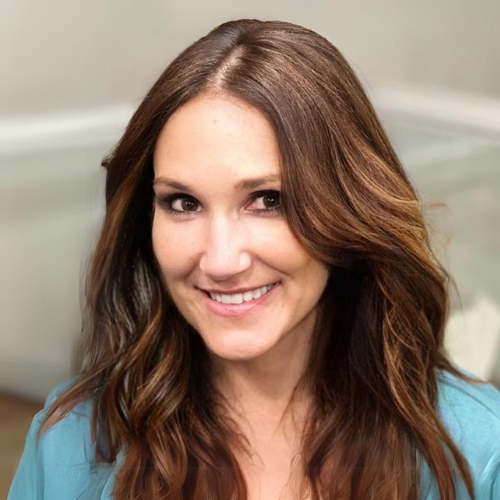
Collaborative Classroom’s programs continue to be integral to our work moving forward. Their curricula equalize the field of learning for our students… We’re grateful for our long-term partnership. Long after the purchase of a program, Collaborative Classroom is there supporting us.
–Kim Title, Principal
Stockton Unified School District, San Joaquin County
Dr. Rodriguez is leading big change in Stockton, with Collaborative Classroom curricula as a key tool. In this interview, she describes how Stockton’s highly intentional implementation of the SIPPS program is changing literacy outcomes for at-risk readers.
We’re seeing dramatic change here. We had some teachers who didn’t believe their first graders could read at the level that they are, and now they can see it.
–Dr. Michelle Rodriguez, Superintendent
Nystrom Elementary, Contra Costa County
Nystrom Elementary has made remarkable gains in student reading proficiency implementing the “Walk to Read” model with Collaborative Classroom curricula.
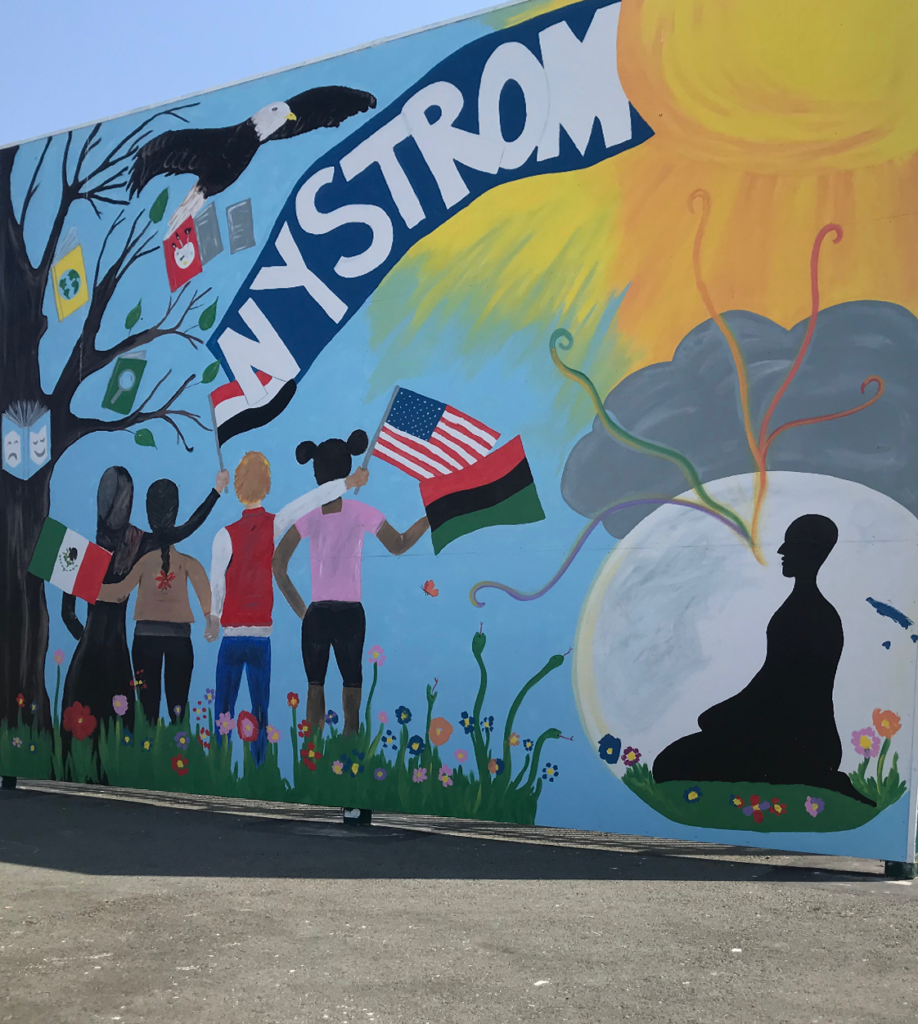
What’s happening at Nystrom is the perfect example of how having high expectations for all students and having high-quality instruction and collaboration and leadership going on to support them can just create so much growth.
–Darissa Phipps, Reading Interventionist
California’s Division of Juvenile Justice
Collaborative Classroom is honored to be in partnership with the California Office of Youth and Community Restoration (OYCR) to help these striving readers—especially older students—master foundational reading skills.
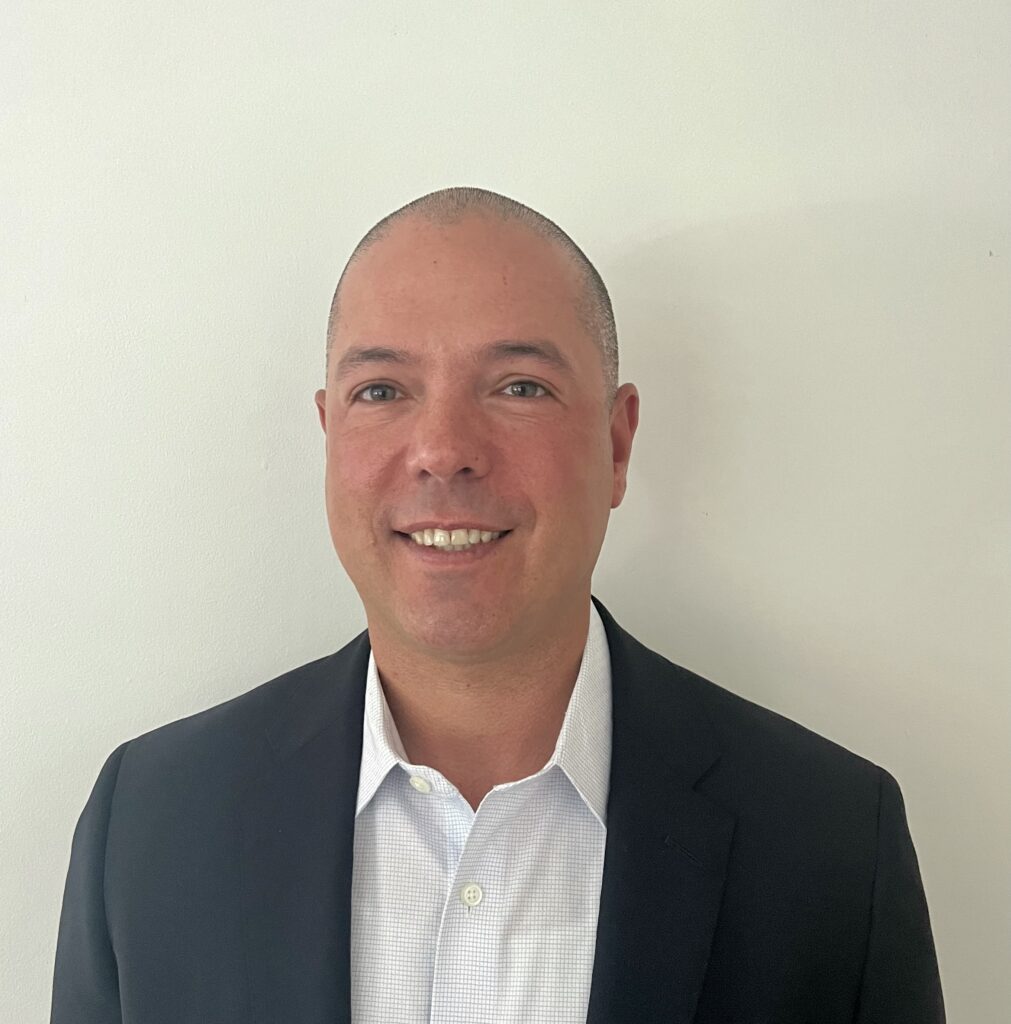
[Collaborative Classroom] and I took the time to make the trip and say, “Hey, look, we’re going to be partners. We’re going to roll up our sleeves, we’re going to work together, and we’re going to do this as a team.” That really reduces a lot of possible resistance met when trying to direct interventions.
I think that partnership was critical. The fact that we were working directly with the kids meant a lot to the teachers and to the support staff that were being asked to take on this new responsibility. I think that helped us overcome a lot of the barriers.
– Dr. Michael Massa, OYCR Consultant and Juvenile Justice Educational Expert
Dixon Montessori Charter School, Solano County
Reading specialist Heidi Hefner describes how the school’s use of the SIPPS program in grades K–5 has supported students’ reading growth, built foundational skills, and helped students reach grade-level proficiency. She also shares data showing the impact of SIPPS.
Witnessing a child’s progress in their reading journey is incredibly fulfilling, as it represents not only their academic growth but also their confidence and independence as learners.
– Heidi Hefner, Reading Specialist
Bonita Unified School District, Los Angeles County
Hear from a Southern California school that ranked No. 1 on the 2022 California Reading Report Card while using SIPPS.
SIPPS addresses all of the reading foundational skills in a sequential and effective manner. Teachers can see results immediately with SIPPS, and they aren’t searching for different components in the curriculum, or trying to design effective teaching sequences on their own… Though the eight elementary schools in my district have tried several other programs, no other program has given us the consistent results that we have achieved through using SIPPS Beginning, Extension, and Challenge in our K–3 classrooms.
–Chris Ann Horsley, Senior Director of Elementary Curriculum (retired)
Lockeford Elementary, Lodi Unified, San Joaquin County
This California district invested its Covid funds in literacy, boosting student achievement — and morale, with resources including Collaborative Classroom programs.
The impact was almost immediate. Reading scores soared—in the beginning of the year, only 18% of first graders were proficient or advanced in reading, but by midyear, 44% were. Among kindergartners, the percentage of students who were proficient or advanced nearly doubled.
— Michael Rogers, Principal, Lockeford Elementary, Lodi Unified (Read the Article (EDSOURCE)
ALIVE, Alameda County
A K–6 educational nonprofit that cultivates life success for K–6 students experiencing unstable living situations is using Collaborative Classroom’s SIPPS program to provide foundational reading instruction.
For our children, who have had so much taken from them, it is easy to feel like nothing is “theirs.” Education and a sense of self are something that nobody can take away. SIPPS delivers on both fronts.
–Stephanie Brady, M.Ed. DVC, Executive Director
Westminster School District, Orange County
With over 30 years of teaching experience, Donna reflects on what SIPPS has done for her as a practitioner and for her students in becoming confident, independent readers and learners.
SIPPS meets students at their point of need. It’s systematic. They know the routines. They’re not having to second-guess what we’re doing today, and that’s huge for the kids. Because we’re looking at small chunks of their learning, they’re feeling successful . . . With SIPPS, students are set up to be able to do what you’re asking them to do, and there’s immediate feedback with corrective routines for me as needed.
—Donna Carrington-Shelley, Primary Support Teacher (PST)
Ravenswood Classroom Partners, East Palo Alto
A community-based tutoring organization working in partnership with Ravenswood City School District. In the 2023–24 school year alone, RCP provided over 7,500 tutoring sessions supporting more than 450 RCSD students.
We appreciate how SIPPS is extremely concrete with both its scope and sequence and within the individual lessons our tutors deliver in the classroom. Our tutors come from all different professions and walks of life so having a SIPPS ‘curricular roadmap’ provides a wonderful through line to the work.
–Angie Holman, Executive Director, and Cristiana Freed, Program Director
Peres K–8 School, Richmond
A schoolwide SIPPS implementation is helping readers succeed at Peres, a Title I public school in Richmond, California, where 95 percent of students qualify for free and reduced lunch and 85 percent are English learners.

Based on the mid-year I-Ready Reading Assessment, the median percent progress towards Typical Growth for my class was 125 percent. In comparison, last year, my class’ median percent progress towards Typical Growth based on their mid-year scores was around 50 percent. This is a 75 percent increase in growth compared to last year! Since implementing the SIPPS program, I have observed students who were continuously reading two grade levels below average not only progress towards grade-level reading, but also grow their academic confidence.
–Hannah Wheeler, fourth grade teacher