
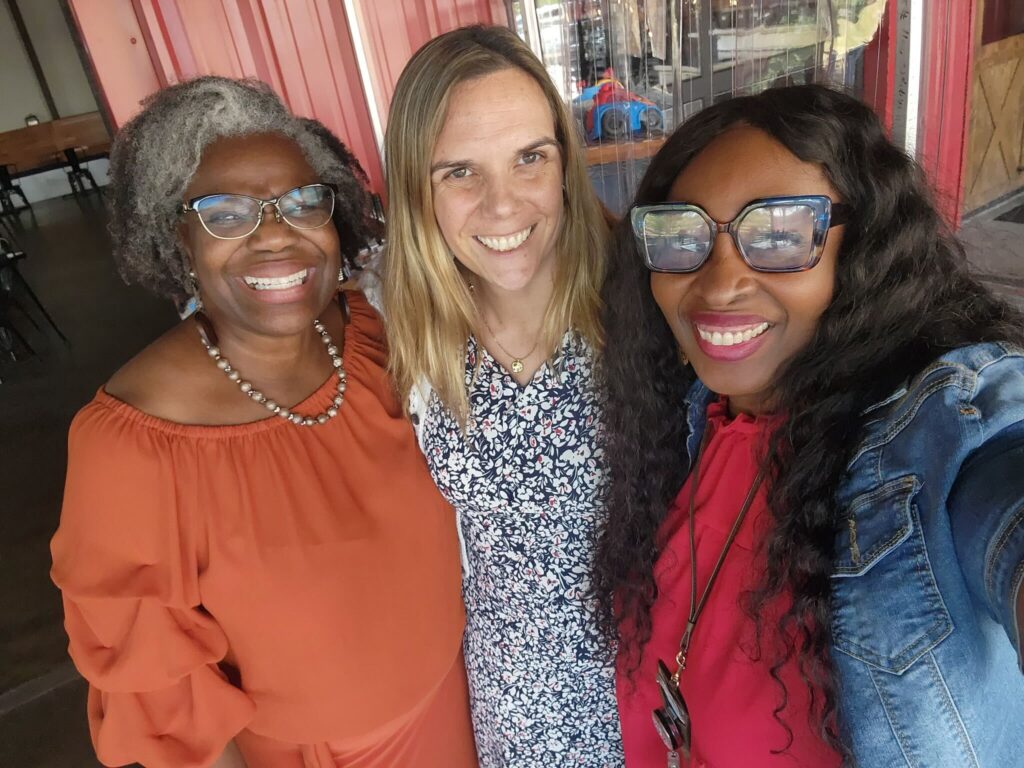
Katharine Bonasera is a Manager of Educational Partnerships with Collaborative Classroom. She draws on over eighteen years of teaching and leadership experience, including time as a principal in urban school environments. Katharine recognized a pervasive and urgent challenge across districts—the literacy gap for students in grade four and above. To help address this gap, Katharine organized a series of Lunch & Learn events across the Carolinas. Driven by her commitment to equitable practices, she brought leaders together to acknowledge this common struggle and identify high-leverage solutions. Below, she summarizes the key takeaways, common challenges, and promising paths forward identified during those critical conversations.
The Shared Struggle: Why Older Students Are Getting Left Behind
Recent data across the Carolinas show tremendous progress in early literacy. This may be attibuted to the impact of initiatives like LETRS training for elementary educators. Yet, despite this success, a significant challenge remains: a large percentage of students entering fourth grade and above are still not reading proficiently.
This urgent need to bridge the literacy gap for our older students—those in upper elementary, middle, and high school—is a shared struggle, and the topic of our fall Lunch & Learn events, where educators and leaders came together for conversations that were both honest and inspiring.

The Core Challenge: Late-Emerging Reading Difficulties
During our events, a diverse group of educators—from classroom teachers to district leaders—gathered to read and discuss Reading Science Considerations for Middle and High School Literacy Intervention by The Reading League, exploring the concept of late-emerging reading difficulties together.
The key takeaway is that as students progress to upper grades, the complexity of text dramatically increases. Students who lack automaticity in decoding the polysyllabic words that are more prevalent in these texts experience cognitive overload and, ultimately, a breakdown in comprehension.
The frustration is palpable for upper-grade educators. They know their students are struggling. However, they often lack the specialized knowledge, time, and materials to address this foundational decoding deficit.
Common Roadblocks Leaders Are Facing
Across all conversations, several universal challenges emerged for leaders trying to solve this problem:
- Time and scheduling: Finding an additional instructional block to provide targeted intervention without pulling students from essential Tier 1 core instruction is a significant logistical hurdle.
- Teacher knowledge and skill: Middle and high school educators are content experts, but their training often hasn’t included the science of reading fundamentals needed to diagnose and address foundational decoding gaps.
- Assessment practices: Assessments used in the secondary setting often measure only comprehension, not the root cause of the difficulty. Educators need tools to accurately diagnose why a student is struggling.
The Solution and the Path Forward
The good news? This shared struggle is fueling a commitment to continuous improvement to ensure every student is a competent, confident reader at the secondary level. This commitment to every child is why a solution is possible.
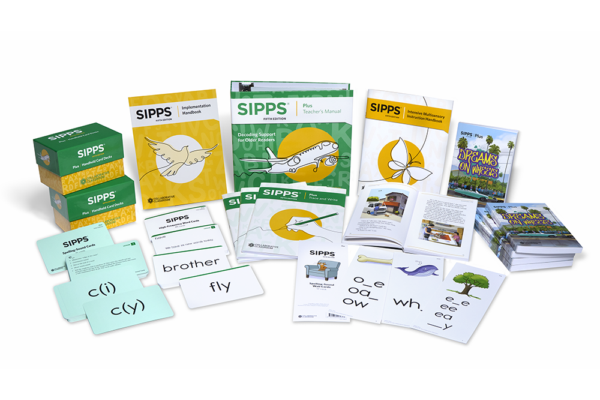
One effective, research-aligned, and straightforward solution is the SIPPS® program.
SIPPS is an option that leaders are already exploring and implementing because it:
- Requires less intensive teacher training than starting from scratch.
- Provides a complete, aligned scope and sequence and all necessary materials.
- Offers a clear, impactful intervention that directly addresses the decoding gaps that cause comprehension struggles.
- Has a component designed specifically for older striving readers that utilizes age-respectful text and format so older students feel engaged, not infantilized.
- Quickly targets and closes foundational decoding gaps, addressing the time constraints leaders are facing by maximizing impact in the intervention block.
The conversations have already sparked action: follow-up meetings are being scheduled, and teachers are beginning to implement SIPPS instruction. This is just the beginning. By prioritizing this issue at the district and ideally the state level through legislation, funding, and dedicated resources, we can ensure that our adolescent readers get the strong foundation they deserve.
You are not alone in this work. The commitment is there, and effective tools like SIPPS are ready to help you close the gap for your older students.
Reach out now to message your local SIPPS expert and explore how we can partner with you.
Related:
[On-Demand Webinar]Empowering Older Readers: Science of Reading Strategies for Skills and Confidence
How a Partnership with SIPPS Is Serving Striving Readers in California’s Juvenile Justice System
A Coach’s Perspective: How SIPPS Plus Supports Older Striving Readers
How SIPPS Meets the Needs of Older Readers in Buncombe County, NC
How Austin Achieve AmeriCorps Is Serving Older Readers with SIPPS
Get SIPPS for Older Readers Sample Lessons
Download lessons, text excerpts, placement assessments, and the SIPPS brochure.