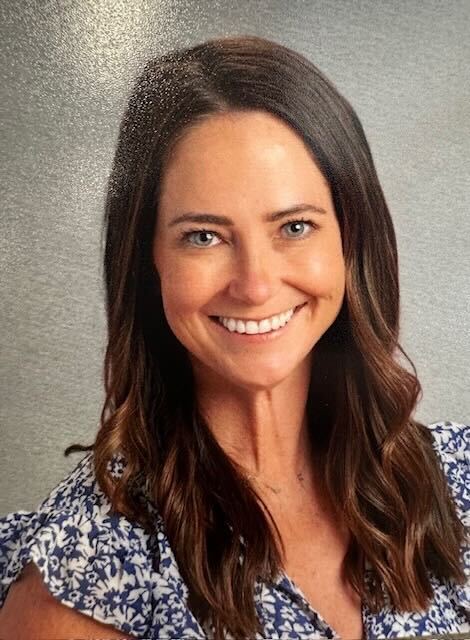
Using findings from The Reading League’s Curriculum Navigation Reports, Alisha Ball led a team of educators to choose Collaborative Literacy as the new science-of-reading-aligned curriculum for Spreckels Elementary in Spreckels, California.
Alisha Ball is the intervention teacher at Spreckels Elementary, which is one half of the Spreckels Union School District that also includes Buena Vista Middle School.
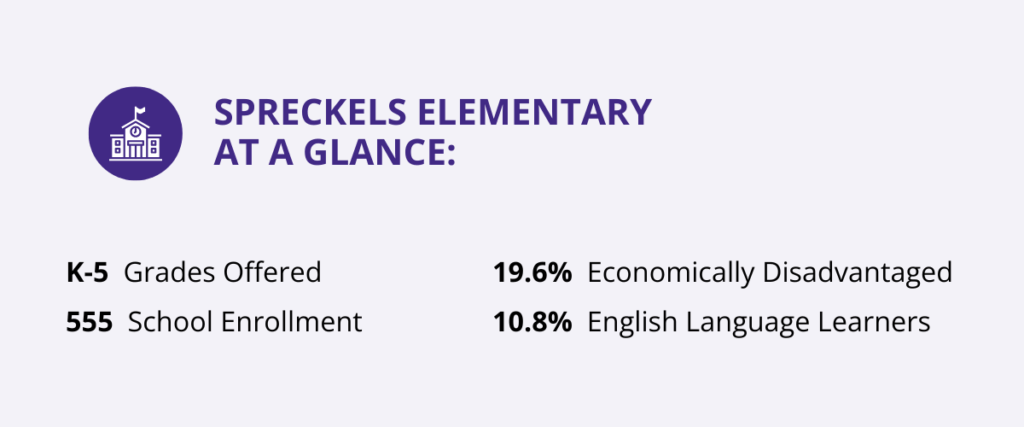
Below, interventionist Alisha Ball shares her thoughts about working with Collaborative Classroom, the decision to select Collaborative Literacy as the new Tier 1 ELA curriculum, and why she calls Collaborative Literacy a “complete and authentic fit” for Spreckels’ elementary classrooms.
Alignment Across Tiers: Why Spreckels Chose Collaborative Literacy
I’ve been using SIPPS® [Collaborative Classroom’s accelerative foundational skills curriculum) to support our most academically challenged students in each grade level for the last four years.
Using findings from the Curriculum Navigation Reports published by The Reading League, I led a team of teachers to choose our new Tier 1 science-of-reading-aligned curriculum.
After exploring several options, the team determined that Collaborative Literacy most closely matches how we teach: using small groups, book studies, and so forth. It’s the best program to strengthen phonics, word recognition, language comprehension, reading comprehension, writing, and assessment understanding.
It’s the best program to strengthen phonics, word recognition, language comprehension, reading comprehension, writing, and assessment understanding.
Our previous Tier 1 program was missing a cohesive phonemic understanding piece. Teachers were using their own sound spelling cards, and they didn’t match up from class to class or grade to grade. Now, because Collaborative Literacy mirrors SIPPS sound spelling cards, educators and students all speak the same language.
Since I was already teaching SIPPS, I was ecstatic! Now with Collaborative Literacy [plus SIPPS] we have a tiered literacy system with seamless alignment from core instruction to targeted intervention.
Additionally, as part of Collaborative Literacy, we finally get a writing program [Being a Writer] that ties in with our reading instruction. This is very exciting.
What Spreckels Educators and Students Appreciate About Collaborative Literacy
Our teachers have expressed how easy it is to use the program. In particular, they appreciate the book selection that’s available for whole-class reading. These varied text selections place diversity and inclusive imagery in the foreground, while providing opportunities for students to connect their cultural background and lived experiences to what they’re reading.
Not long into our adoption of Collaborative Literacy, a first-grade teacher shared that it was evident to her that what they were reading in class was transferring over to the writing lessons. What first graders are learning and producing so early in the year is impressive!
What first graders are learning and producing so early in the year is impressive!
Students across classrooms seem more engaged with the lessons. They’re having collaborative dialogue. These conversations strengthen their understanding, as they listen to thoughts and ideas besides their own.
The upper-grade teachers have noted that the chapter books that they are getting to read are of high interest. They are generating good conversations.
How Embedded Professional Learning Helps Spreckels Educators Feel Confident Right from the Start
A huge plus is that Collaborative Literacy includes embedded professional development modules through a professional learning plan.
For instance, video models, structured teacher guides, and ongoing formative assessments are included. These supports help teachers feel confident delivering science of reading–aligned instruction right from the start, and to continue their practice and check-ins throughout the year.
These supports help teachers feel confident delivering science of reading–aligned instruction right from the start, and to continue their practice and check-ins throughout the year.
Since we’re less than six months into our implementation, it’s hard to definitively measure any shifts in teaching practices. However, I’ve heard from teachers that they appreciate the professional learning that we’ve received so far, whether it be in person or virtually. They’re coming away with ideas and knowledge that they can use immediately to better understand the program and strengthen their teaching.
How Collaborative Classroom Provided Support Throughout the Implementation Process
I appreciate the amazing team and the professional learning plan behind Collaborative Classroom. It’s easy to get in touch with a real person via email, and representatives are readily available to set up virtual meetings.
I’ve been in education for 21 years, and let me tell you, this is not the norm with most publishing companies. The support is top notch!
Everyone that I have had the opportunity to work with through Collaborative Classroom has been professional, supportive, and highly educated. I have gotten to work closely with Collaborative Classroom’s Manager of Educational Partnerships for Northern California, Zenaida Soria-Cummins, and Professional Learning Lead Stacey Abeyta, and can say that both are amazing humans! Stacey is always able to answer the intricate, deep-in-the-weeds implementation questions. Additionally, I know I can call or text Zenaida for those and other queries. Without a doubt, our staff and I have felt completely supported through our implementation process.
Without a doubt, our staff and I have felt completely supported through our implementation process.
Alisha’s Insights for Other Districts Considering Collaborative Literacy
You won’t be disappointed! Collaborative Literacy is grounded in research-based practices, including structured routines, gradual release of responsibility, and collaborative discussion.
There are many key strengths in Collaborative Literacy. They include strong integration between social skills and literacy, clear and consistent instructional structure, an emphasis on discussion and collaboration, high-quality mentor texts, and explicit writing instruction.
Collaborative Literacy . . . earns the professional trust of our teachers through a rigorous vetting process that balances scientific research, collaborative practice, and complete and authentic classroom fit.
Collaborative Literacy doesn’t just pass a checklist; it earns the professional trust of our teachers through a rigorous vetting process that balances scientific research, collaborative practice, and complete and authentic classroom fit.
Related Reading:
The Reading League Publishes a Curriculum Navigation Report on Collaborative Literacy
How Lime Street Elementary Aligns Instruction Across Tiers Using Collaborative Literacy
Hear from other California schools and districts using Collaborative Literacy
Collaborative Literacy in California for 2026
California, Get Ready for Collaborative Literacy!